
Overview
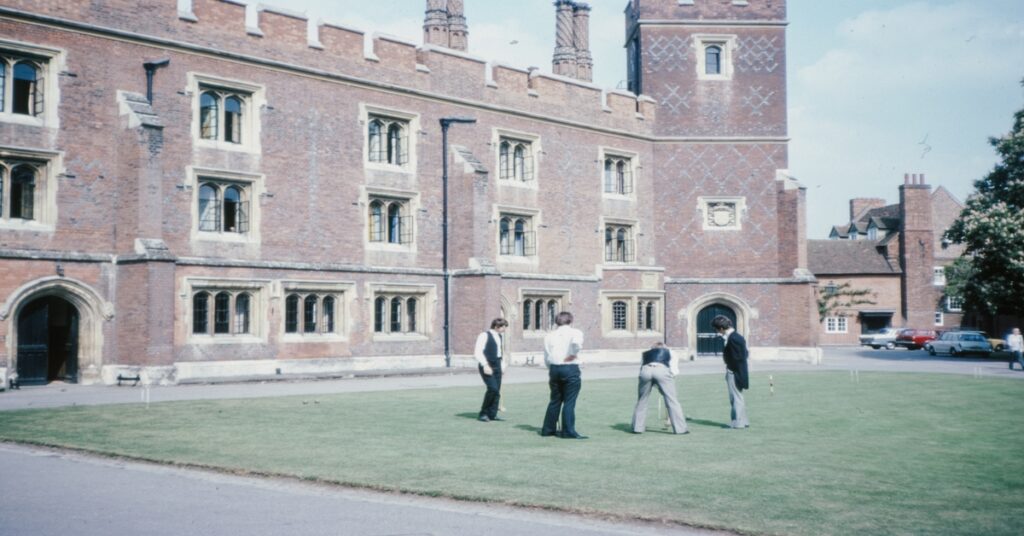
The Child Student Visa UK is for children aged 4 to 17 who want to study at an independent school in the UK.
To apply, the child must usually have an unconditional offer from a licensed independent school, a Certificate of Acceptance for Studies, permission from their parent or legal guardian, and enough money to pay for school fees and living costs.
This route is different from the main Student Visa, which is normally for students aged 16 or over studying further or higher education.
Important: This guide is for general information only and is not immigration advice. Emigrate To The UK is not regulated by the Immigration Advice Authority. Always check GOV.UK or speak to a qualified immigration adviser before applying.
📌 Key facts at a glance
Route type: Study visa for children at independent schools.
Age requirement: The child must be aged 4 to 17.
School type: The child must study at an independent school with a student sponsor licence.
CAS required: Yes. The school must issue a Certificate of Acceptance for Studies.
Parent or guardian consent: Required.
Financial requirement: You must usually show enough money for school fees and living costs.
Work rights: Children aged 16 or over may be able to work limited hours, usually up to 10 hours per week during term time.
Parent route: One parent may be able to apply for a Parent of a Child Student Visa if the child is under 12 and studying at an independent day school.
Settlement: This route does not directly lead to ILR or British citizenship.
- Overview
- 📌 Key facts at a glance
- 🎯 Who This Visa Is Best For
- ✅ Child Student Visa UK Eligibility
- 🎓 Certificate of Acceptance for Studies
- 👪 Can a Parent Come to the UK?
- 🗣️ English Language Requirement
- 💷 Child Student Visa Cost and Financial Requirements
- ⏳ How Long Can You Stay?
- 💼 Can You Work on a Child Student Visa?
- 🏠 Does a Child Student Visa Lead to ILR or British Citizenship?
- 📃 Documents You May Need
- 🧭 How to Apply
- ⏱️ Processing Times
- ✈️ What Happens After Approval?
- ⚠️ Common Mistakes to Avoid
- ❓ Child Student Visa UK FAQs
- 🔗 Related Guides
- More Study Guides
🎯 Who This Visa Is Best For
The Child Student Visa is best for children who have been offered a place at an independent school in the UK.
It may suit families who want their child to study at a UK boarding school or independent day school, and who can meet the school fee, living cost and care arrangement requirements.
💡 A Quick Note from Kris: I would look at the full family plan before applying. The child’s visa, school fees, accommodation, care arrangements and whether a parent can come to the UK are all separate things to check.
✅ Child Student Visa UK Eligibility
To qualify for a Child Student Visa, the child must usually be aged between 4 and 17 and have an unconditional offer from an independent school in the UK.
The school must be a licensed student sponsor and must issue a Certificate of Acceptance for Studies before the visa application is made.
The child must also have permission from their parent or legal guardian and enough money to pay for school fees and living costs.
GOV.UK confirms the Child Student Visa is for children aged 4 to 17 who want to study at an independent school in the UK.
🎓 Certificate of Acceptance for Studies
A Certificate of Acceptance for Studies, often called a CAS, is a digital record issued by the child’s licensed school.
It confirms the course, school, start date and other details needed for the visa application.
You cannot apply for a Child Student Visa without a CAS. The school will usually issue it after the child has accepted a place and the school has completed its checks.
Common mistake: Assuming a school offer letter is enough. The visa application normally needs the CAS details, not just the offer.
👪 Can a Parent Come to the UK?
In some cases, one parent may be able to apply for a Parent of a Child Student Visa.
This is usually for one parent of a child who is under 12 and studying at an independent day school in the UK. The parent route is separate from the child’s visa.
This route has important restrictions. A parent on this visa usually cannot work in the UK and cannot use it as a long-term settlement route.
If the child will attend boarding school, or if both parents want to move to the UK, check the rules carefully before making plans.
🗣️ English Language Requirement
The Child Student route is different from adult study or work routes.
The school will usually assess whether the child can study the course they have been offered. Do not assume an IELTS 7.0 test is required for this visa.
If English evidence is requested, follow the requirements given by the school and the visa application process.
Useful guide:
👉 UK English Language Requirement
💷 Child Student Visa Cost and Financial Requirements
You will usually need to pay the visa application fee and the Immigration Health Surcharge.
You must also show that there is enough money available for the child’s course fees and living costs. The amount depends on the child’s school, whether they are boarding, living with a parent, living with a close relative, or aged 16 or 17 and living independently.
For example, boarding school students usually need to show enough money for boarding fees. If the child is living with a parent on a Parent of a Child Student Visa, different living cost rules can apply.
Because school fees and financial rules can be complex, check the latest GOV.UK guidance and the school’s own visa guidance before applying.
⏳ How Long Can You Stay?
How long the child can stay depends on their age and course length.
For children under 16, permission can usually be granted for the course length, up to a maximum of 6 years, plus 4 months afterwards.
For children aged 16 or 17, permission can usually be granted for the course length, up to a maximum of 3 years, plus 4 months afterwards.
The exact dates will depend on the course and visa decision.
💼 Can You Work on a Child Student Visa?
Work rights are limited.
Children aged 16 or over may be able to work part-time during term time, usually up to 10 hours per week, and full-time during official holidays.
You cannot be self-employed or work as a professional sportsperson or entertainer.
The main purpose of this visa is study, so any work must stay within the visa conditions.
🏠 Does a Child Student Visa Lead to ILR or British Citizenship?
No. The Child Student Visa does not directly lead to Indefinite Leave to Remain or British citizenship.
It is a study route. A child may later switch or apply under another route if eligible, but the Child Student route itself is not a direct settlement route.
💡 A Quick Note from Kris: If the family’s long-term goal is to live in the UK permanently, do not rely only on the Child Student route. Look carefully at future study, work or family options before making long-term plans.
📃 Documents You May Need
The documents needed depend on the child’s age, school and care arrangements.
You will usually need the CAS reference number, a valid passport or travel document, written consent from the parent or legal guardian, evidence of funds for school fees and living costs, and evidence of care arrangements in the UK.
You may also need tuberculosis test results if required, evidence of the child’s relationship to the parent or guardian, proof of accommodation arrangements, and certified translations for documents not in English or Welsh.
The school may also provide a visa document checklist.
🧭 How to Apply
You apply online for a Child Student Visa.
Before applying, make sure the child has a CAS from the independent school, written parental consent, financial evidence and any required TB test documents.
The application usually involves completing the online form, paying the visa fee and healthcare surcharge, uploading documents and proving the child’s identity.
Depending on the child’s passport and circumstances, identity may be proved using an app or by attending a biometrics appointment.
⏱️ Processing Times
Child Student Visa decisions are usually made within around 3 weeks when applying from outside the UK.
If applying from inside the UK, decisions usually take around 8 weeks.
Processing can take longer if documents need extra checks or the Home Office asks for more information.
✈️ What Happens After Approval?
If the Child Student Visa is approved, the child can travel to the UK according to the dates and conditions on the visa.
Before arrival, families should confirm accommodation, guardianship or boarding arrangements, school start dates, travel plans, healthcare access and emergency contacts.
If a parent is coming under the Parent of a Child Student route, check that both visas, travel dates and accommodation plans work together.
Useful guides:
👉 Study in the UK
👉 UK Student Visas Explained
👉 Schools & Family Life
⚠️ Common Mistakes to Avoid
A common mistake is assuming any UK school can sponsor a Child Student Visa. The school must be an independent school with the correct sponsor licence.
Another mistake is assuming both parents can move to the UK under the child’s visa route. The Parent of a Child Student route is separate and usually only allows one parent in limited circumstances.
Some families also underestimate the financial evidence. School fees, boarding fees, living costs and parent-route costs can make this a high-cost route.
It is also important not to rely on the Child Student route as a direct path to settlement, because it does not directly lead to ILR.
❓ Child Student Visa UK FAQs
Who can apply for a Child Student Visa?
Children aged 4 to 17 can apply if they have an unconditional offer from an independent school in the UK and meet the requirements.
Does the school need to be licensed?
Yes. The school must be a licensed student sponsor and must issue a CAS.
Can a parent come with the child?
In some cases, one parent may be able to apply for a Parent of a Child Student Visa if the child is under 12 and attending an independent day school.
Can the parent work in the UK?
A parent on a Parent of a Child Student Visa usually cannot work in the UK.
Can the child work?
Children aged 16 or over may be able to work limited hours, usually up to 10 hours per week during term time.
Does the Child Student Visa lead to ILR?
No. The Child Student Visa does not directly lead to ILR or British citizenship.
Can the child study at a state school?
The Child Student Visa is for study at an independent school, not a local authority-funded school.
🔗 Related Guides
If you are planning a UK school move, these guides may also help:
- 👉 Study in the UK
- 👉 Student Visa UK
- 👉 First 90 Days in the UK
- 👉 Cost of Living in the UK
- 👉 UK English Language Requirement
Have questions or want help choosing the right visa? Subscribe or explore more articles on UK visas and immigration tips.
More Study Guides

UK Visa Fees for Nigerians: Visitor, Student, Work and Family Costs
Understanding UK visa fees for Nigerians is an important part of planning a visit, study programme, job move or family application to the United Kingdom. The amount you pay depends on the visa route, how long the visa lasts and whether you are applying alone or with family members. Many applicants must also budget for […]
How to Move to the UK Without a Job: Visa Routes Explained
Learning how to move to the UK without a job starts with understanding which immigration routes do not require employer sponsorship. Your options will depend on factors such as your age, nationality, qualifications, family connections, professional background and study plans. Some people may qualify through the Youth Mobility Scheme, India Young Professionals Scheme, High Potential […]

UK Universities Map and Affordable Universities in the UK
If you’re planning to study in Britain, using a UK universities map is one of the best ways to understand where different universities are located and what each region has to offer. Whether you’re comparing campuses in London, Scotland, or the North of England, the map helps you visualise your options before applying. At the […]