
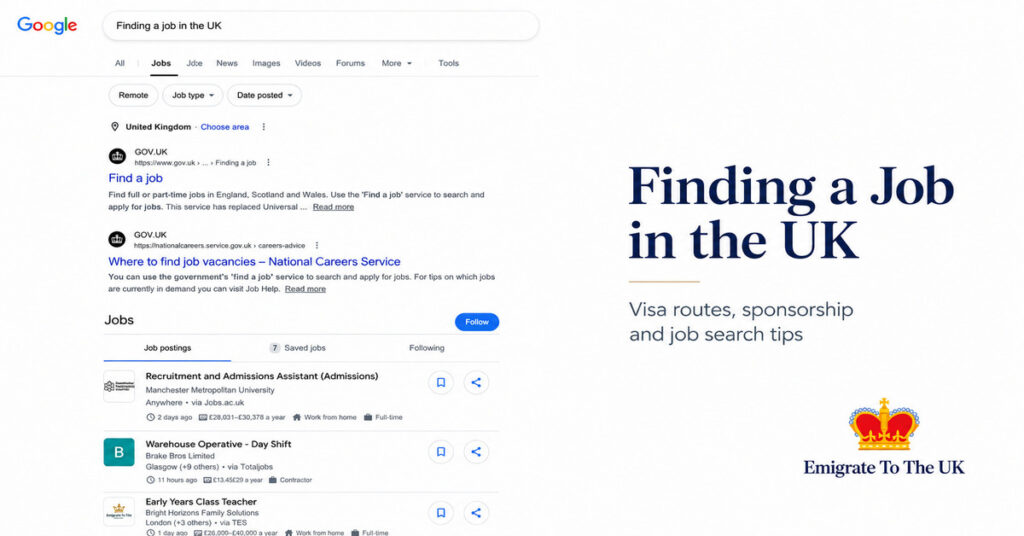
Moving to the UK for work usually requires a visa, and choosing the right route depends on your job, qualifications, and long-term plans.
The UK offers several work visa options, from employer-sponsored roles like the Skilled Worker visa to Youth Mobility and specialist business routes. Each has different eligibility rules, salary requirements, and length of stay.
Below you’ll find a clear overview of the main UK work visa routes, who they’re for, and what to do after your visa is approved.
Scroll down to explore, or jump to the visa you’re interested in.
- Who This Guide Is For
- Sponsored vs Non-Sponsored Work Visas
- Main UK Work Visa Routes
- Skilled Worker Visa
- Health and Care Worker Visa
- Youth Mobility Scheme Visa (Working Holiday)
- India Young Professionals Scheme Visa
- Senior or Specialist Worker Visa (Global Business Mobility)
- UK Ancestry Visa
- British National (Overseas) Visa (Hong Kong)
- Scale-Up Visa
- Innovator Founder Visa
- High Potential Individual (HPI) Visa
- Which UK Work Visa Might Suit You?
- ❓ UK Work Visa FAQ
- What Happens After Your Work Visa Is Approved
- Want Practical UK Relocation Updates?
- More Work Visa Guides
Who This Guide Is For
This guide is for people who want to move to the UK for work but are unsure which visa route applies to them.
It may help if you already have a UK job offer, work in healthcare, recently studied in the UK, are eligible for Youth Mobility, have UK ancestry, or want to understand whether you need employer sponsorship.
It is also useful if you are comparing temporary work routes with longer-term routes that may lead to settlement.
💡 A Quick Note from Kris: I would start by asking one question: do you need a sponsored job offer, or do you qualify for a route without sponsorship? That one answer makes the whole job search and visa search much clearer.
Sponsored vs Non-Sponsored Work Visas
Some UK work visas require a job offer from a licensed sponsor. This means the employer must be approved to sponsor overseas workers, and the role must meet the visa rules.
Sponsored routes include visas such as the Skilled Worker Visa and Health and Care Worker Visa. These routes are usually linked to a specific job, salary level, occupation code and employer.
Other routes may allow you to work in the UK without employer sponsorship. These can include routes such as the Youth Mobility Scheme, Graduate Visa, UK Ancestry Visa and some nationality-based or family-linked routes.
Non-sponsored routes may give you more flexibility when looking for work, but they are not always permanent routes. Some are temporary, and some may not lead directly to settlement.
💡 A Quick Note from Kris: I would not only choose the easiest visa to get. I would also check how long it lasts, whether you can bring family, whether you can switch later, and whether it can lead to long-term settlement.
Main UK Work Visa Routes
Skilled Worker Visa
The main UK work visa route for professionals with a job offer from a licensed sponsor. Applicants must meet minimum salary and skill requirements, and this visa can lead to permanent settlement after five years.
Health and Care Worker Visa
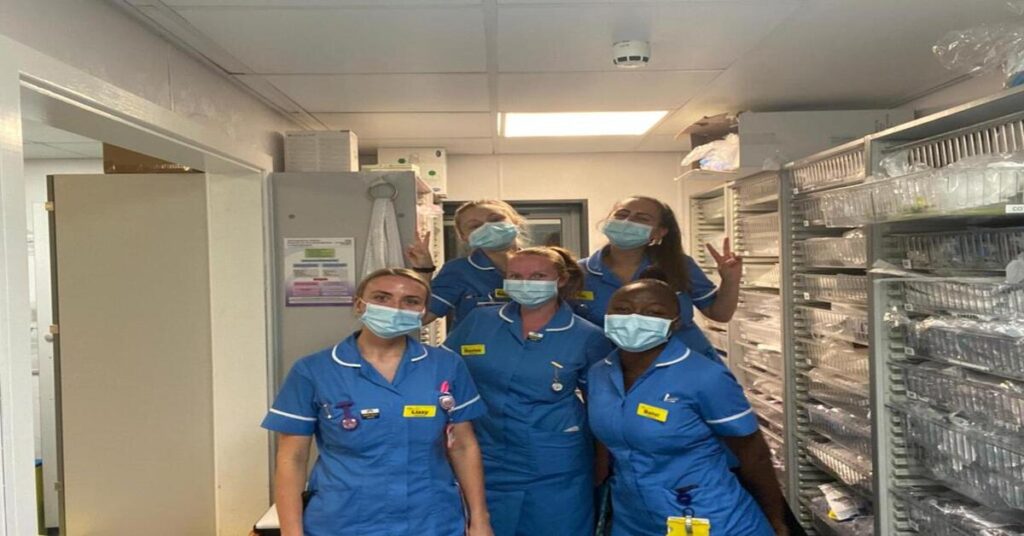
A fast-track route for eligible healthcare professionals such as nurses, doctors, paramedics and care workers. It offers reduced application fees and exemption from the Immigration Health Surcharge.

Youth Mobility Scheme Visa (Working Holiday)
For young people aged 18–30 (or 18–35 for some nationalities) from eligible countries. It allows you to live and work in the UK for up to two years without sponsorship.
India Young Professionals Scheme Visa
A ballot-based visa for Indian nationals aged 18–30. It allows successful applicants to live and work in the UK for up to two years.
👉 India Young Professionals Scheme


Senior or Specialist Worker Visa (Global Business Mobility)
For employees transferring to a UK branch of an overseas company. This route supports temporary assignments within multinational organisations.
👉 Senior or Specialist Worker Visa
UK Ancestry Visa
Available to Commonwealth citizens with a UK-born grandparent. It allows you to live and work in the UK for five years and apply for settlement.
British National (Overseas) Visa (Hong Kong)
For Hong Kong residents with BN(O) status and their eligible family members. This route allows you to live, work and study in the UK and can lead to permanent residence.
👉 British National Overseas Visa



Scale-Up Visa
Designed for highly skilled workers joining fast-growing UK companies. Sponsorship is required for the first six months, after which you can change employers more freely.
Innovator Founder Visa
For entrepreneurs who want to establish an innovative, viable and scalable business in the UK. Applicants must have an endorsed business idea from an approved body.
High Potential Individual (HPI) Visa
For graduates of eligible top global universities. This visa allows you to live and work in the UK without employer sponsorship for up to two or three years.
👉 High Potential Individual Visa



Which UK Work Visa Might Suit You?
The right UK work visa depends on your job, nationality, age, qualifications, family situation and long-term plans.
If you have a confirmed job offer from a licensed UK employer, the Skilled Worker Visa is usually the first route to check.
If you work in healthcare or adult social care, the Health and Care Worker Visa may be more relevant.
If you are young and from an eligible country, the Youth Mobility Scheme may allow you to live and work in the UK temporarily without employer sponsorship.
If you are an Indian national aged 18 to 30, the India Young Professionals Scheme may be worth checking if you meet the eligibility rules and can enter the ballot.
If you recently studied in the UK, the Graduate Visa may give you time to work, gain experience and look for sponsorship later.
If you have a UK-born grandparent and meet the nationality rules, the UK Ancestry Visa may be an option.
If you are being transferred by an overseas employer to a UK branch, the Senior or Specialist Worker route may apply.
If you are building an innovative business, the Innovator Founder Visa may be relevant. If you graduated from an eligible top global university, the High Potential Individual route may also be worth reviewing.
The best route is not always the one that sounds most attractive at first. It is the one that matches your eligibility, work plans, family needs and long-term future in the UK.
❓ UK Work Visa FAQ
🛂 Which UK work visa is right for me?
The right visa depends on your qualifications, job offer, and long-term plans.
If you have a confirmed job offer from a licensed sponsor, the Skilled Worker visa is the most common route. Healthcare professionals often apply under the Health and Care Worker visa, while graduates in the UK may qualify for the Graduate visa. If you’re transferring within a multinational company, the Senior or Specialist Worker visa may apply. Your eligibility depends on salary thresholds, occupation codes, and sponsorship.
🔄 Can I switch jobs on a work visa?
Yes, but usually you must update your visa.
If you are on a Skilled Worker visa and want to change employers, your new employer must be a licensed sponsor and issue you a new Certificate of Sponsorship. You’ll normally need to apply to update your visa before starting the new role. Changing roles within the same company may also require a visa update if the job code changes.
👨👩👧 How long until I can bring family?
In most cases, you can bring eligible family members immediately.
Skilled Worker and Health and Care Worker visas allow dependants (partner and children) to apply at the same time or join you later. However, some routes such as certain care worker roles from 2024 onwards, have restrictions. Each dependant must meet financial and relationship requirements.
📄 Do I need a job offer to move to the UK?
For most work visas, yes.
The Skilled Worker and Health and Care Worker visas require a confirmed job offer from a licensed UK sponsor before you apply. However, some routes do not require sponsorship, such as the Graduate visa, Youth Mobility Scheme, or UK Ancestry visa (if eligible).
⏳ What happens if my job visa expires?
You must take action before it expires.
If your visa is close to expiry, you may be able to extend it (if you still meet the requirements), switch to another visa route, or leave the UK. Overstaying can seriously affect future applications, so it’s important to apply for an extension or new visa before your current permission ends.
What Happens After Your Work Visa Is Approved
Getting your visa is just the first step. Once you arrive in the UK, you’ll need to sort essential tasks like renting accommodation, opening a bank account, registering with a GP, and understanding the cost of living.
Want Practical UK Relocation Updates?
Join the newsletter for clear, no-nonsense guidance on visas and settling in the UK.
Job opportunities vary across the UK depending on the city and industry.
👉 Explore the best UK cities to live and work in
More Work Visa Guides
How to Work as a Nurse in the UK: Visa, Jobs and NMC Registration
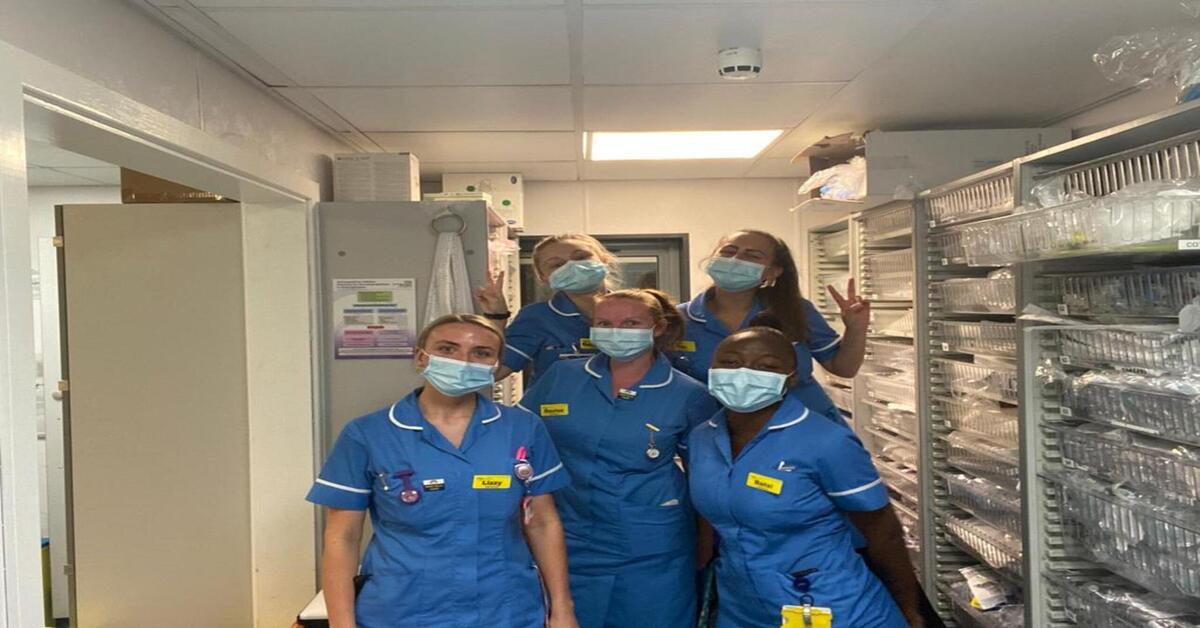
If you want to work as a nurse in the UK, you will usually need two things: professional registration with the Nursing and Midwifery Council (NMC) and the right visa or immigration status. For many overseas nurses, the main route is the Health and Care Worker visa. This allows eligible healthcare professionals to live and […]

Shortage Occupation List UK: What Replaced It in 2026?
The Shortage Occupation List UK was once the main list used to identify jobs where UK employers faced recruitment difficulties. It was replaced by the Immigration Salary List in April 2024, and the current system now also includes the Temporary Shortage List for certain medium-skilled occupations. Many people still search for the old Shortage Occupation […]

UK Visa Fees for Nigerians: Visitor, Student, Work and Family Costs
Understanding UK visa fees for Nigerians is an important part of planning a visit, study programme, job move or family application to the United Kingdom. The amount you pay depends on the visa route, how long the visa lasts and whether you are applying alone or with family members. Many applicants must also budget for […]

How to Move to the UK Without a Job: Visa Routes Explained
Learning how to move to the UK without a job starts with understanding which immigration routes do not require employer sponsorship. Your options will depend on factors such as your age, nationality, qualifications, family connections, professional background and study plans. Some people may qualify through the Youth Mobility Scheme, India Young Professionals Scheme, High Potential […]

Carer Jobs in UK with Visa Sponsorship: 2026 Rules and Alternatives
Carer jobs in UK with visa sponsorship have changed significantly. In the past, many overseas applicants used the Health and Care Worker visa to move to the UK as care workers or senior care workers. However, from 22 July 2025, the UK immigration route for care workers and senior care workers closed to new applications […]

Immigration Salary List UK: Jobs, Salaries & Work Visa Guide
The Immigration Salary List UK shows specific jobs that may qualify for a lower salary threshold under the Skilled Worker route. Being on the list can help with salary eligibility, but it does not guarantee a visa or a sponsored job offer. The list includes a mix of roles across sectors such as construction, healthcare […]

UK Work Visa from India: Shortage Occupations and How to Apply
The UK work visa from India is one of the most common routes for Indian professionals looking to live and work in the United Kingdom. Each year thousands of Indian citizens move to the UK for employment opportunities in sectors such as healthcare, technology, finance, and engineering. However, applying for a UK Work Visa from […]

Family Visa UK: Requirements, Costs and How to Apply
Bringing your loved ones together is one of the most important reasons people apply for a UK visa. The Family Visa UK is designed to let you live in Britain with your partner, children, or parents if they are already settled in the country. For couples, this includes the fiancé visa, spouse visa, and the […]