
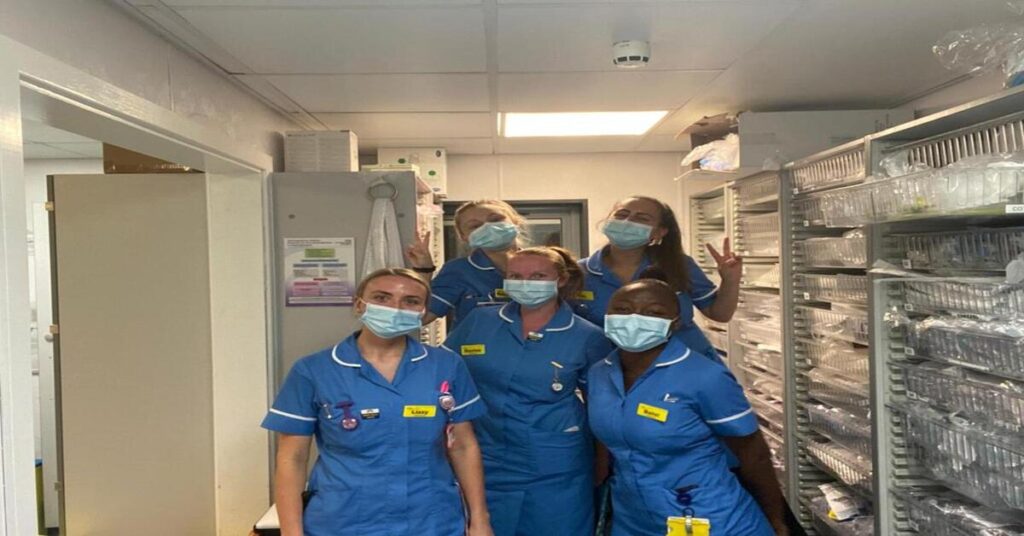
If you want to work as a nurse in the UK, you will usually need two things: professional registration with the Nursing and Midwifery Council (NMC) and the right visa or immigration status.
For many overseas nurses, the main route is the Health and Care Worker visa. This allows eligible healthcare professionals to live and work in the UK when they have a suitable job offer from an approved employer.
However, the visa is only one part of the process. Nurses also need to meet the NMC’s registration requirements, including qualification checks, English-language evidence and competence requirements before they can practise as a registered nurse in the UK.
This guide explains the main steps, including NMC registration, Health and Care Worker visa requirements, where to find nursing jobs, expected salaries and what to plan for after you arrive.
💡 A Quick Note from Kris: I would treat this as two linked processes: professional registration and immigration. A job offer may help with the visa, but you still need to satisfy the NMC requirements before you can practise as a registered nurse in the UK.
Important: This guide provides general information only. It does not assess your personal visa eligibility, nursing registration eligibility or suitability for a particular job.
This guide was last updated on 12 July 2026 to reflect current UK nursing, visa and registration information.
- Step-by-Step: How to Work as a Nurse in the UK
- Why Work as a Nurse in the UK?
- Visa Options for Nurses in the UK
- NMC Registration for Overseas Nurses
- Required Documents for Your Visa Application
- Finding Nursing Jobs in the UK
- Salary and Career Progression
- Permanent Residency for Nurses in the UK
- ❓ Frequently Asked Questions
- What to Read Next
- More Nursing and Work Visa Guides
Step-by-Step: How to Work as a Nurse in the UK
For most overseas applicants, the process usually looks like this:
- Check whether your nursing qualification can support NMC registration
- Create your NMC Online account and start the overseas registration process
- Meet the English-language requirement
- Complete the required competence assessments, such as the CBT and OSCE
- Apply for nursing jobs with an approved UK employer
- Receive a Certificate of Sponsorship from your employer
- Apply for a Health and Care Worker visa or another suitable route
- Move to the UK, complete any final checks and begin work once you are authorised to practise
The exact order can vary depending on the employer and where you are in the NMC process, but nurses should not treat the visa and professional registration as the same thing. You need the right immigration permission and the right professional registration before working as a registered nurse in the UK.
Why Work as a Nurse in the UK?
The UK remains a popular destination for overseas nurses because there are nursing roles across the NHS, private hospitals, care settings, community services and specialist healthcare providers.
For many nurses, the main attractions are:
- a clear professional registration route through the NMC
- structured NHS pay bands and career progression
- opportunities in hospitals, community care, mental health, children’s nursing and specialist services
- eligibility for the Health and Care Worker visa when the role and employer qualify
- a possible long-term route to settlement if the visa and applicant meet the rules
However, working as a nurse in the UK is not only about getting a visa. You also need to be comfortable with UK clinical standards, shift patterns, patient communication, documentation, workplace culture and the cost of living in the area where you plan to work.
NHS Jobs is one of the main places to search for nursing vacancies, while NHS Health Careers is useful for understanding nursing roles, training and career paths.
Visa Options for Nurses in the UK
To work as a registered nurse in the UK, you need the right immigration permission. For many overseas nurses, the main route is the Health and Care Worker visa, which is part of the Skilled Worker system.
Other routes may be relevant in some cases, especially if you already have the right to work in the UK through a family visa, Graduate visa, UK Ancestry visa, Youth Mobility Scheme visa or another immigration route.
The important point is that having permission to work in the UK does not automatically mean you can practise as a registered nurse. You must also meet the NMC registration requirements before working in a registered nursing role.
Health and Care Worker Visa
The Health and Care Worker visa allows eligible healthcare professionals to live and work in the UK when they have a suitable job offer from an approved health or care sector employer.
To qualify, you usually need:
- a confirmed job offer from an approved UK employer
- a Certificate of Sponsorship from your employer
- an eligible occupation code for your nursing role
- a salary that meets the required threshold and going rate
- English-language evidence where required
- enough money to support yourself unless your employer certifies maintenance
Approved employers can include the NHS, organisations providing medical services to the NHS and organisations providing adult social care. The exact employer, role and salary still need to meet the visa rules.
Eligible Health and Care Worker visa applicants do not pay the Immigration Health Surcharge, which can make this route significantly cheaper than many other UK work visas. NHS Employers also notes that the Health and Care visa salary threshold was increased in 2026 and that the IHS does not apply to this route.
Alternative Routes for Nurses
Some nurses may already have another route that allows them to work in the UK. Examples include:
Graduate visa — for eligible people who completed a UK degree and want to stay temporarily after study
Family visa — for people joining an eligible partner, parent or child in the UK
UK Ancestry visa — for eligible Commonwealth citizens with a qualifying UK-born grandparent
Youth Mobility Scheme visa — for eligible nationalities within the required age range
Indefinite Leave to Remain or British citizenship — for people who already have permanent status or citizenship rights
The Youth Mobility Scheme is available only to certain nationalities. Age limits and visa length depend on the country, so nurses should check the current rules before relying on this route.
For all of these routes, the same professional rule applies: you still need NMC registration before practising as a registered nurse in the UK.
NMC Registration for Overseas Nurses
Before you can practise as a registered nurse in the UK, you must be registered with the Nursing and Midwifery Council. This is separate from your visa application, although employers will usually want to understand where you are in the NMC process.
Overseas-trained nurses normally need to show that they have the right qualifications, English-language ability, health and character, identity documents and professional competence.
The process usually includes:
- creating an NMC Online account
- submitting your overseas registration application
- providing evidence of your qualification and registration history
- meeting the English-language requirement
- completing the Test of Competence, which includes the CBT and OSCE
- completing identity, health and character checks
- paying the required NMC fees
- joining the NMC register before practising as a registered nurse
English-Language Requirement
The NMC needs evidence that you can communicate safely and effectively in English. Many overseas applicants meet this through an accepted English-language test such as IELTS Academic or OET, although other evidence may be accepted in some cases depending on your training and practice history.
CBT and OSCE
The NMC Test of Competence has two parts:
- CBT: a computer-based test that can usually be taken through Pearson VUE test centres
- OSCE: a practical clinical examination taken in the UK
The NMC says applicants can sit the CBT and OSCE in either order, but both parts must be passed before continuing with initial registration.
Documents You May Need
The documents depend on your circumstances, but overseas nurses may need evidence such as:
- passport or identity documents
- nursing qualification certificate
- professional registration evidence from your home country
- employment or practice history
- English-language evidence
- health and character declarations
- certified translations if documents are not in English
Do not leave the NMC process until after you find a job. Employers may be more confident if you can clearly explain your registration stage, test plans and expected timeline.
Required Documents for Your Visa Application
Your visa documents are separate from your NMC registration documents, although some evidence may overlap. The exact documents depend on your circumstances, nationality, employer and whether you are applying alone or with family members.
For a Health and Care Worker visa, you will usually need:
- Certificate of Sponsorship reference number from your employer
- valid passport or travel document
- job title and occupation code
- employer name and sponsor licence number
- evidence that your salary meets the visa rules
- proof of English-language ability, unless already accepted through another route
- evidence of personal savings if your employer does not certify maintenance
- tuberculosis test certificate if required for your country
- criminal record certificate where required for the role
- partner or child documents if dependants are applying with you
The Certificate of Sponsorship is an electronic record, not a paper certificate. GOV.UK says you normally need to apply for the visa within three months of receiving it.
You usually need at least £1,270 available to support yourself in the UK unless you have been in the UK with a valid visa for at least 12 months or your employer confirms it can cover your first month’s costs. The money usually needs to have been held for at least 28 days.
For health and care roles, some applicants also need a criminal record certificate. GOV.UK says this can apply when applying from outside the UK, depending on the occupation code and role.
Finding Nursing Jobs in the UK
NHS Jobs is one of the main places to search for NHS nursing vacancies, while NHS Health Careers is useful for understanding nursing roles, training routes and career progression.
If you want a more NHS-focused route, see our guide to NHS jobs for nurses and how to apply.
You can also look for nursing vacancies through:
- individual NHS trust career pages
- private hospitals and healthcare providers
- mental health trusts
- community healthcare providers
- university hospitals
- specialist recruitment agencies
- LinkedIn and other job boards
When searching for sponsored nursing jobs, look carefully at the advert rather than only the employer name. A useful job advert may mention:
- Health and Care Worker visa sponsorship
- Certificate of Sponsorship
- overseas nurse recruitment
- NMC registration support
- OSCE support
- relocation package
- accommodation support
- Band 5 international nurse roles
Some employers are very experienced with overseas recruitment, while others may expect you to already have UK registration or the right to work. Before applying, check whether the advert fits your stage of the process.
A good nursing vacancy to apply for should usually be clear on:
- job title and band
- salary range
- location
- shift pattern
- required registration status
- whether sponsorship is available
- whether OSCE or preceptorship support is offered
- who to contact for informal questions
NHS Jobs currently lists nursing and midwifery vacancies by sector, and many adverts show the Agenda for Change band, salary range, employer and location.
You can also explore our list of companies that sponsor work visas in the UK to understand which employers can sponsor overseas healthcare workers.
💡A Quick Note from Kris: I would not apply only because the job says “nurse.” Check whether the employer is used to overseas recruitment and whether the advert mentions sponsorship, OSCE support or NMC registration stage. That can save a lot of wasted applications.
Salary and Career Progression
Most newly registered nurses in the NHS start at Band 5 under the Agenda for Change pay system. In England, the 2026/27 Band 5 salary starts at £32,073, with higher pay points at £34,592 and £39,043 as nurses gain experience and meet progression requirements.
Nurses can progress into more senior, specialist or leadership roles, including:
- Band 6 senior staff nurse roles
- specialist nurse roles
- ward manager roles
- advanced clinical practitioner roles
- clinical educator roles
- matron and senior leadership roles
Pay varies across the UK because England, Scotland, Wales and Northern Ireland can have different NHS pay arrangements. Private healthcare providers may also use different salary structures.
Many nurses also receive enhancements for unsocial hours, including some night, weekend and bank-holiday work. The exact amount depends on the contract, employer and shift pattern.
For overseas nurses, salary is important for two reasons. It affects your household budget after arrival, and it must also meet the relevant visa salary rules if you are applying through the Health and Care Worker route.
Permanent Residency for Nurses in the UK
The Health and Care Worker visa can lead to Indefinite Leave to Remain, also known as settlement, but it is not automatic. GOV.UK says Health and Care Worker visa holders may be able to apply for settlement after five years if they meet the requirements.
To qualify, nurses normally need to meet rules around:
- time spent living and working in the UK
- continued sponsorship or eligible employment
- salary and role requirements
- absences from the UK
- English-language and Life in the UK Test requirements
- suitability and immigration-history checks
Some time spent on other work routes may also count, but this depends on the route and the current settlement rules. GOV.UK says Skilled Worker, Health and Care Worker, T2 and Tier 2 applicants usually need five years before applying for Indefinite Leave to Remain.
After receiving Indefinite Leave to Remain, some people later apply for British citizenship. In many cases, applicants need to hold ILR for 12 months before applying, although this waiting period does not usually apply if they are married to a British citizen.
❓ Frequently Asked Questions
🇬🇧 How can I work as a nurse in the UK?
To work as a nurse in the UK, you usually need professional registration with the Nursing and Midwifery Council and the right immigration status. For many overseas nurses, this means completing the NMC registration process and applying for a Health and Care Worker visa after receiving a suitable sponsored job offer.
📋 What are the requirements for international nurses?
International nurses usually need to show evidence of their nursing qualification, English-language ability, professional competence, health and character, identity documents and registration history. The NMC process can include the Test of Competence, which includes the CBT and OSCE.
💷 How much do nurses earn in the UK?
Starting salaries for NHS Band 5 nurses in England begin at £32,073 in 2026/27. Pay can increase with experience and progression into Band 6, Band 7 or specialist roles. Senior and leadership roles can earn more, but the highest NHS bands are not typical starting or early-career nursing salaries.
🧳 Do I need sponsorship to work in the UK as a nurse?
Many overseas nurses need employer sponsorship through the Health and Care Worker visa. This normally requires a suitable job offer from an approved UK employer, such as the NHS, an NHS supplier or an eligible adult social care provider.
Some nurses may already have another immigration status that allows them to work, but they still need NMC registration before practising as a registered nurse.
🕒 How long does NMC registration take?
The time varies depending on your documents, English-language evidence, CBT, OSCE and how quickly you complete each stage. It is safer to treat NMC registration as a process that can take several months rather than relying on a fixed timeline.
🌍 Can nurses bring their families to the UK?
In many Health and Care Worker visa cases, a partner and children may be able to apply as dependants if they meet the rules. Dependants usually need their own applications and evidence. Always check the current dependant rules for your occupation code and visa route.
📈 Can working as a nurse in the UK lead to permanent residency?
Yes, the Health and Care Worker visa can lead to Indefinite Leave to Remain after five years, but it is not automatic. You still need to meet the settlement rules, including residence, salary, role and eligibility requirements at the time you apply.
🏥 Where can I find nursing jobs in the UK?
Good starting points include NHS Jobs, individual NHS trust career pages, private healthcare providers, mental health trusts, community healthcare providers, specialist recruiters and LinkedIn. When applying from overseas, check whether the advert mentions sponsorship, NMC registration stage, OSCE support or overseas nurse recruitment.
🎓 Can new graduates work in the UK as nurses?
New graduates may be able to work as nurses in the UK if they meet the NMC registration requirements, secure a suitable role and have the right visa or immigration status. Some UK graduates may also have access to the Graduate visa, but they still need NMC registration before practising as a registered nurse.
What to Read Next
If you are planning to work as a nurse in the UK, these guides can help you understand the visa, job-search and arrival process:
👉 Health and Care Worker Visa
Learn how the main visa route works for eligible healthcare professionals
👉 NHS Jobs for Nurses
Find out where to search for NHS nursing roles and what to check before applying
👉 Companies That Sponsor Visas in the UK
Understand how to check licensed sponsors and identify realistic sponsored vacancies
👉 Certificate of Sponsorship UK
Learn what a Certificate of Sponsorship is and why it matters for your visa application
👉 First 90 Days in the UK
Prepare for practical steps after arrival, including housing, banking, phones and settling in
👉 Cost of Living in the UK
Estimate how far your nursing salary may go after rent, bills, food and transport
Planning to work as a nurse in the UK? Subscribe to Emigrate to the UK for practical guides on nursing jobs, health and care visas, registration, relocation costs and settling into everyday UK life.
More Nursing and Work Visa Guides
How to Work as a Nurse in the UK: Visa, Jobs and NMC Registration
If you want to work as a nurse in the UK, you will usually need two things: professional registration with the Nursing and Midwifery Council (NMC) and the right visa or immigration status. For many overseas nurses, the main route is the Health and Care Worker visa. This allows eligible healthcare professionals to live and […]

Shortage Occupation List UK: What Replaced It in 2026?
The Shortage Occupation List UK was once the main list used to identify jobs where UK employers faced recruitment difficulties. It was replaced by the Immigration Salary List in April 2024, and the current system now also includes the Temporary Shortage List for certain medium-skilled occupations. Many people still search for the old Shortage Occupation […]

UK Visa Fees for Nigerians: Visitor, Student, Work and Family Costs
Understanding UK visa fees for Nigerians is an important part of planning a visit, study programme, job move or family application to the United Kingdom. The amount you pay depends on the visa route, how long the visa lasts and whether you are applying alone or with family members. Many applicants must also budget for […]

How to Move to the UK Without a Job: Visa Routes Explained
Learning how to move to the UK without a job starts with understanding which immigration routes do not require employer sponsorship. Your options will depend on factors such as your age, nationality, qualifications, family connections, professional background and study plans. Some people may qualify through the Youth Mobility Scheme, India Young Professionals Scheme, High Potential […]

Carer Jobs in UK with Visa Sponsorship: 2026 Rules and Alternatives
Carer jobs in UK with visa sponsorship have changed significantly. In the past, many overseas applicants used the Health and Care Worker visa to move to the UK as care workers or senior care workers. However, from 22 July 2025, the UK immigration route for care workers and senior care workers closed to new applications […]

Immigration Salary List UK: Jobs, Salaries & Work Visa Guide
The Immigration Salary List UK shows specific jobs that may qualify for a lower salary threshold under the Skilled Worker route. Being on the list can help with salary eligibility, but it does not guarantee a visa or a sponsored job offer. The list includes a mix of roles across sectors such as construction, healthcare […]

UK Work Visa from India: Shortage Occupations and How to Apply
The UK work visa from India is one of the most common routes for Indian professionals looking to live and work in the United Kingdom. Each year thousands of Indian citizens move to the UK for employment opportunities in sectors such as healthcare, technology, finance, and engineering. However, applying for a UK Work Visa from […]

Family Visa UK: Requirements, Costs and How to Apply
Bringing your loved ones together is one of the most important reasons people apply for a UK visa. The Family Visa UK is designed to let you live in Britain with your partner, children, or parents if they are already settled in the country. For couples, this includes the fiancé visa, spouse visa, and the […]