
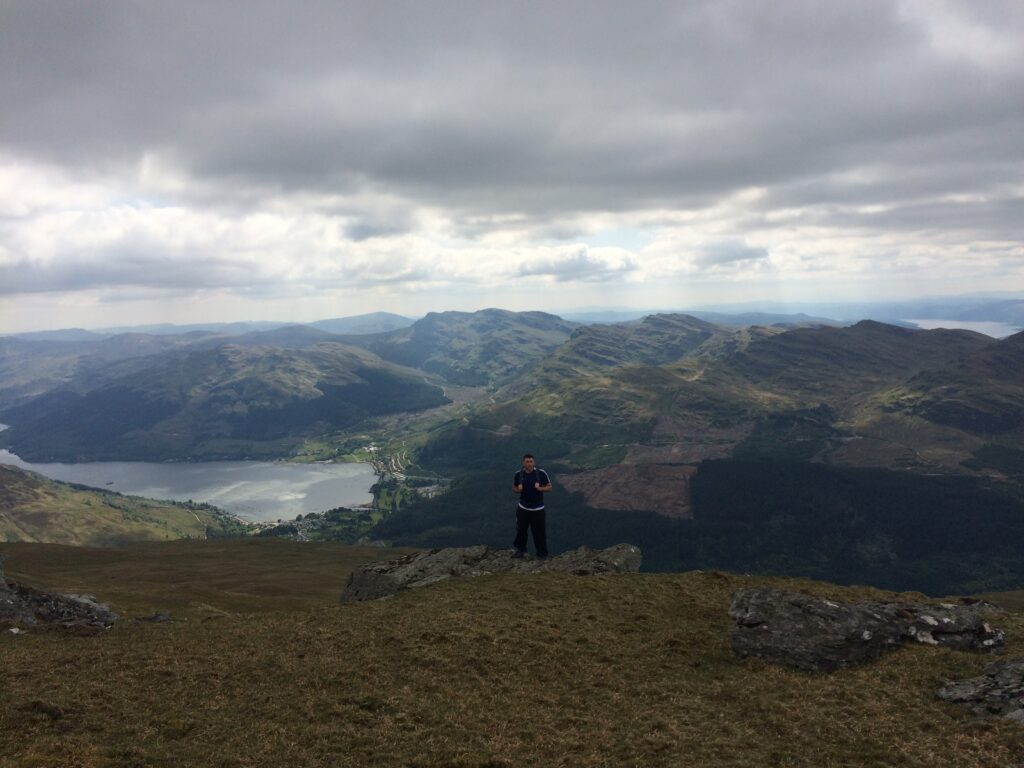
Planning a two-week trip to Scotland? This Scotland Two Week Itinerary is designed to help you experience the country at a comfortable pace, from historic cities and iconic castles to coastal towns and the dramatic landscapes of the Highlands. It’s ideal for first-time visitors who want to see more than just the headline attractions without feeling rushed.
This Scotland two week itinerary in 2026 is just one of several possible routes and focuses on creating a balanced, realistic journey rather than trying to cover everything. Scotland is a vast and varied country, and no 14-day trip can show you all of it, instead this itinerary prioritises quality over quantity, allowing you to properly enjoy each region you visit.
The route works best as a self-drive itinerary, but where possible we’ve included train travel alternatives so you can adapt it to suit your travel style. Many travellers ask, “Is two weeks too long in Scotland?” The answer is no. Fourteen days gives you the freedom to explore multiple regions properly, slow down in the Highlands, and enjoy the journey itself rather than rushing from place to place.
- 🗺️ Scotland Two Week Itinerary Map
- ⏱️ How Many Days Should I Spend in Scotland?
- 📍 Scotland Itinerary 14 Days (Overview)
- 🏰 Days 1–3: Edinburgh
- 🌆 Days 4–5: Glasgow & Loch Lomond
- ⛰️ Days 6–8: Oban, Glencoe and Glenfinnan
- 🐉 Days 9–11: Fort William, Fort Augustus and Loch Ness
- 🦌 Days 12–13: Inverness & Perthshire
- 🔁 Day 14: Return to Edinburgh
- 💷 How Much Would It Cost to Spend 2 Weeks in Scotland?
- 🏕️ Two Weeks in Scotland Camping – Is It a Good Idea?
- 🚆 Two Weeks in Scotland by Train – Is It Possible?
- 🚌 Two Weeks in Scotland by Coach – Can You Do It?
- ❓ FAQ: Scotland Two Week Itinerary in 2026
- 🗓️ Is two weeks too long in Scotland?
- 🚆 Can I do a Scotland itinerary without a car?
- 💰 Is Scotland expensive for tourists?
- 🏨 Where should I stay during a two-week Scotland trip?
- ⛰️ Do I need to be fit for this itinerary?
- 🌦️ What’s the best time of year to follow this itinerary?
- 🎒 Is this itinerary suitable for first-time visitors?
- 👨👩👧 Can families follow this itinerary?
- 🏴☠️ Will I see Loch Ness on this itinerary?
- Latest Articles
🗺️ Scotland Two Week Itinerary Map
To make planning easier, we’ve created a Scotland Two Week Itinerary map that shows the full route covered in this guide, including key cities, Highland stops, islands, and scenic driving routes.
Scotland’s geography can be deceptive, with winding roads, mountain passes, and ferries that add time between destinations. Having a visual map helps you understand distances, plan realistic travel days, and decide where it makes sense to slow down or spend extra nights.
Our itinerary map follows this journey:
- Edinburgh → Glasgow → Loch Lomond
- Oban → Glencoe
- Fort William → Fort Augustus
- Inverness & Perthshire
- Return to Edinburgh
Whether you’re travelling by car, train, or a mix of both, the map helps you see how the route flows across Scotland and highlights alternative stops you may want to add depending on your interests.
We recommend keeping this map open while booking accommodation and transport, especially if you’re visiting in peak season. It also works well for adjusting the itinerary — for example, spending extra time in the Highlands or shortening your stay in the cities.
⏱️ How Many Days Should I Spend in Scotland?
If you’re travelling to Scotland from overseas, 14 days is a popular length of time. Scotland is larger and more rugged than many visitors expect, and travel between regions can take longer than anticipated, particularly in the Highlands, where winding roads and remote landscapes slow the pace.
A two-week trip gives you the freedom to explore multiple regions without rushing, spend meaningful time in places like the Highlands or cities such as Inverness, and strike a comfortable balance between cities, nature, and culture. It also allows you to travel either by car or train without long, exhausting days on the road.
Shorter trips of 7–10 days often feel rushed and limit how much of the country you can realistically see, while longer stays tend to suit slow travellers or those returning to Scotland for a second visit.
📍 Scotland Itinerary 14 Days (Overview)
Here’s how this Scotland two week itinerary is structured:
- Days 1–3: Edinburgh
- Days 4–5: Edinburgh, Glasgow and Loch Lomond
- Days 6–8: Oban, Glencoe and Scottish Highlands
- Days 9–11: Fort William, Fort Augustus and Inverness
- Days 12–13: Perthshire
- Day 14: Return to Edinburgh
You can do this itinerary by car or adapt it for a two weeks in Scotland by train, which we’ll cover later.
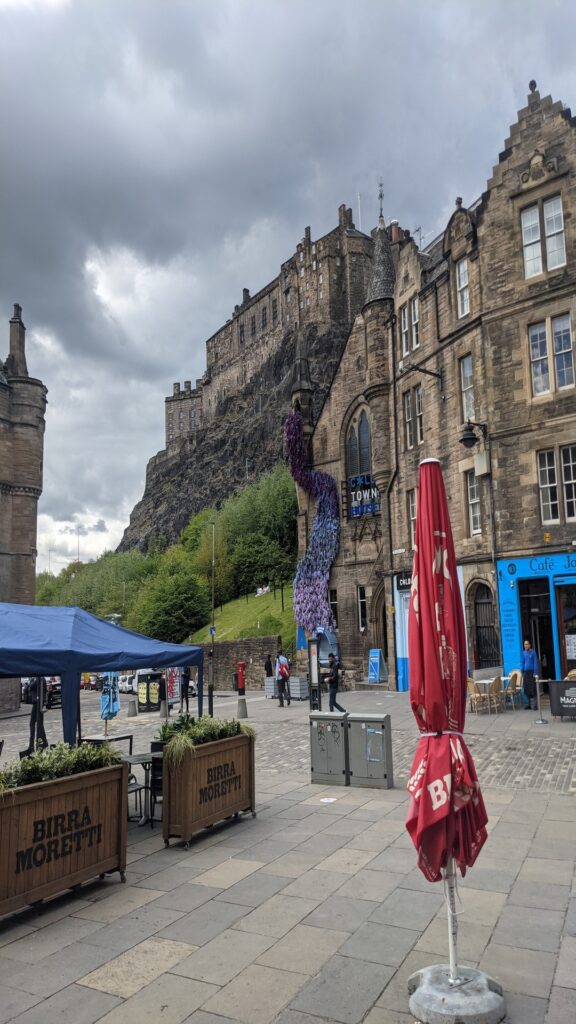
🏰 Days 1–3: Edinburgh
Your Scotland two week itinerary begins in Edinburgh, one of Europe’s most loved capital cities. Most international travellers arrive via Edinburgh Airport (EDI), which is well connected to the city centre and ideal for starting a road trip.
Edinburgh Airport is compact and easy to navigate. If you’re planning to drive the itinerary, this is one of the best places to rent a car. All major car hire companies, including Avis, Hertz, Enterprise, Europcar, and Sixt are located either inside the terminal or a short shuttle ride away.
Car hire tips for Scotland:
- Choose a compact or mid-size car (roads can be narrow)
- Automatic cars are available but should be booked early
- Consider delaying pick-up until Day 2 if you don’t want to drive in the city
Once collected, it’s around 25 minutes’ drive into central Edinburgh, depending on traffic.
🏨Where to Stay in Edinburgh
If you’re starting your Scotland road trip from Edinburgh, choosing the right area can save time, money, and stress.
Tip: Many Old Town streets are narrow and parking is limited or expensive. If you’re renting a car, consider picking it up on the morning you leave the city.
| Travel Style | Best Area to Stay | Hotel | Typical Price (per night) |
|---|---|---|---|
| Budget | Haymarket / West End | Leonardo Hotel Haymarket | £80–£130 |
| Mid-range | New Town | Yotel Edinburgh | £140–£240 |
| Comfort | Old Town (Royal Mile area) | Virgin Hotels Edinburgh | £250+ |
💡 Quick tip
If you’re planning to rent a car, consider staying somewhere with easier parking access, such as the West End, Haymarket, or outer areas like Leith. Many central Old Town locations have limited or expensive parking options.
🗓️ Day 1 – Arrive in Edinburgh (Afternoon)
After arriving in Edinburgh in the morning, take the afternoon to ease into the city without rushing. Edinburgh is compact and walkable, making it ideal for a relaxed first day.
Here’s what I recommend you do on your arrival day in Edinburgh:
- Check in and get oriented
Drop your bags at your hotel or accommodation and familiarise yourself with the Old Town area, where many of Edinburgh’s main attractions are located. - Walk part of the Royal Mile
Start with a gentle stroll along the Royal Mile, soaking up the atmosphere and exploring a few side streets without trying to see everything at once.
If you prefer some context on your first afternoon, short Old Town walking tours are a popular way to learn the city’s history without committing to a full day of sightseeing. - Visit St Giles’ Cathedral
Located on the Royal Mile, this historic cathedral is free to enter and gives a great introduction to Scotland’s religious and political history. - Explore Old Town closes
Wander through narrow alleyways such as Advocate’s Close or Mary King’s Close to experience the medieval side of Edinburgh. Guided historical walking tours often include these closes and add useful background stories. - Harry Potter–inspired walking tour (optional)
Edinburgh is closely linked to the Harry Potter series, and themed Harry Potter walking tours explore locations said to have inspired characters and settings from the books. This is a fun, low-effort option on your first day if you want some storytelling without heavy sightseeing. - Sunset at Calton Hill
End your first day with a walk up Calton Hill for panoramic views across the city — a perfect, low-effort way to finish after travel. - Casual dinner nearby
Choose a relaxed pub or restaurant in the Old Town or New Town for your first Scottish meal.
Overnight: Edinburgh
🗓️ Day 2 – Edinburgh
Your second day is a full day in Edinburgh and covers the city’s main highlights, combining history, culture, and scenic viewpoints.
Here’s what I recommend you do on your full day in Edinburgh:
- Visit Edinburgh Castle
Start the day early at Edinburgh Castle to avoid crowds. Booking castle tickets in advance is recommended during peak season, and guided visits can help bring the history to life. - Walk the full Royal Mile
After the castle, continue down the Royal Mile toward Holyrood Palace, stopping at shops, museums, and historic buildings along the way. - Visit the National Museum of Scotland
This free museum is one of the best in the UK and well worth a visit, even if only for an hour or two. - Lunch in the Old Town
There are plenty of cafés and traditional pubs around the Royal Mile, ideal for a relaxed lunch. Food-focused walking food tours are also popular if you want to sample Scottish dishes with local insight. - Walk through Holyrood Park or climb Arthur’s Seat
In the afternoon, explore Holyrood Park. If you’re feeling energetic, climb Arthur’s Seat for incredible views over Edinburgh and the coastline. Guided nature or hiking walks are available for those who prefer company and commentary. - Evening in the New Town
Spend the evening in Edinburgh’s New Town, known for its elegant streets, shops, and restaurants. Whisky tasting experiences are especially popular here and make a relaxed end to the day.
Overnight: Edinburgh
🗓️ Day 3 – Edinburgh (Morning) & Travel to Glasgow
Your final morning in Edinburgh allows time for a few last highlights before heading west to Glasgow in the afternoon.
Here’s what I recommend you do before leaving Edinburgh:
- Explore Princes Street Gardens
Enjoy a peaceful walk through Princes Street Gardens with views up toward Edinburgh Castle. - Visit the Scottish National Gallery
Located at the top of Princes Street, this free gallery is perfect for a short cultural stop. - Coffee and souvenir shopping
Pick up last-minute souvenirs or enjoy coffee along George Street or in Stockbridge if time allows. - Travel from Edinburgh to Glasgow
In the afternoon, leave Edinburgh for Glasgow.- By car: approximately 1 hour via the M8 motorway
- By train: around 50 minutes from Edinburgh Waverley to Glasgow Queen Street
Arrive in Glasgow by late afternoon or early evening, ready to explore Scotland’s largest city.
Overnight: Glasgow
🌆 Days 4–5: Glasgow & Loch Lomond
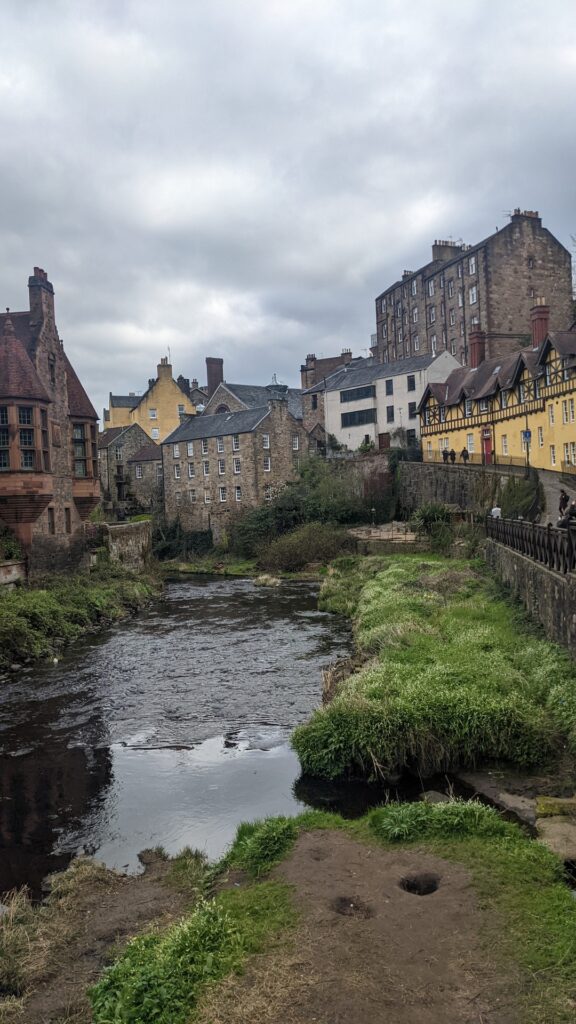
Welcome to Glasgow, Scotland’s largest city and cultural powerhouse. While Edinburgh is known for its historic charm, Glasgow offers a more modern, energetic feel, with a strong focus on music, food, art, and local life.
Glasgow is also an excellent base for exploring western Scotland. Its central location makes it easy to reach places like Loch Lomond, the Highlands, and the west coast, while the city itself offers world-class museums, vibrant neighbourhoods, and some of the best dining in the country.
🏨Where to Stay in Glasgow
Glasgow has a wide range of accommodation options, and choosing the right area depends on how you plan to explore the city and beyond. Unlike Edinburgh, Glasgow is more spread out, but it’s well connected by public transport and easy to navigate.
| Travel Style | Best Area to Stay | Hotel | Typical Price (per night) |
|---|---|---|---|
| Budget | City Centre | Holiday Inn Express Theatreland | £60–£100 |
| Mid-range | West End | Crowne Plaza Glasgow | £120–£180 |
| Comfort | City Centre / Merchant City | ibis Styles George Square | £250+ |
📅 Day 4 – Glasgow
Glasgow is Scotland’s largest city and offers a very different feel to Edinburgh, more creative, more local, and full of character. This day focuses on culture, architecture, and areas rather than trying to see everything.
Here’s what I recommend you do on your full day in Glasgow:
- Explore Glasgow City Centre
Start your day around George Square and Buchanan Street. This area is ideal for getting your bearings and admiring Glasgow’s grand Victorian architecture. - Visit Kelvingrove Art Gallery & Museum
One of Scotland’s most popular free attractions. It’s an excellent introduction to Glasgow’s art, history, and culture, even if you only spend an hour or two here. - Walk through Kelvingrove Park
Right next to the museum, this is a pleasant green space for a relaxed stroll with views of the River Kelvin and the University of Glasgow. - Explore the University of Glasgow
Wander around the historic campus, especially the cloisters and main building, which many visitors recognise from films and TV shows. - Lunch in the West End
The West End is one of the best areas in Glasgow for cafés and casual dining, with a lively but laid-back atmosphere. - Discover Merchant City
Spend your afternoon exploring Merchant City, known for boutique shops, galleries, and stylish streets. - Optional guided experience
If you enjoy learning about a city as you explore, a short Glasgow walking tour or street art tour can add context to the city’s history and creative scene. Many travellers book these in advance through platforms like GetYourGuide to secure a time slot that fits their itinerary. - Evening food and drinks
End the day with dinner in Finnieston or Merchant City, both excellent areas for food and relaxed nightlife.
Overnight: Glasgow

📅 Day 5 – Loch Lomond, Luss & Onward to Oban
Day 5 marks your transition from city life into the Scottish Highlands. The journey from Glasgow to Oban is one of the most scenic drives in Scotland and is best enjoyed slowly, with several memorable stops along the way.
Here’s what I recommend you do on your journey day:
- Leave Glasgow in the morning
Aim to depart after breakfast to give yourself plenty of time for sightseeing stops.- By car: Scenic drive via the A82
- By train (partial): Glasgow to Balloch, then local transport or guided tours
- Visit Loch Lomond & The Trossachs National Park
Loch Lomond is the largest freshwater loch in the UK and a stunning introduction to Highland scenery. - Stop at Luss
This picturesque village sits on the western shore of Loch Lomond. Walk along the lochfront, explore its stone cottages, and enjoy views across the water. - Optional loch cruise or guided stop
If you’d prefer to relax and enjoy the scenery without driving, short Loch Lomond cruises or guided day trips are available and can be booked in advance through platforms like GetYourGuide. - Lunch at The Drovers Inn
One of Scotland’s oldest pubs and a classic stop on this route, known for hearty food and a historic atmosphere. - Visit the Falls of Falloch
A short, well-marked woodland walk leads to impressive waterfalls — an easy stop that adds little time but plenty of scenery. - The Green Welly Stop (Tyndrum)
A practical stop for coffee, snacks, souvenirs, and facilities before continuing west into the Highlands. - Stop at Kilchurn Castle
Located on the shores of Loch Awe, Kilchurn Castle is one of the most photogenic castle ruins in Scotland. Even a brief stop offers stunning views of the loch and surrounding mountains, making it well worth including if you have daylight. - Drive onward to Oban
The final stretch winds through dramatic mountain scenery before descending toward the coast.- Total driving time with stops: approx. 4.5–6 hours
- Direct driving time (no stops): around 3 hours
- Arrive in Oban by early evening
Check into your accommodation and enjoy a relaxed evening by the harbour. - Alternative without a car
Travellers without a car can opt for full-day Highlands tours that include Loch Lomond and western Highland scenery. Many visitors choose to book these through GetYourGuide for convenience and clear itineraries.
Overnight: Oban
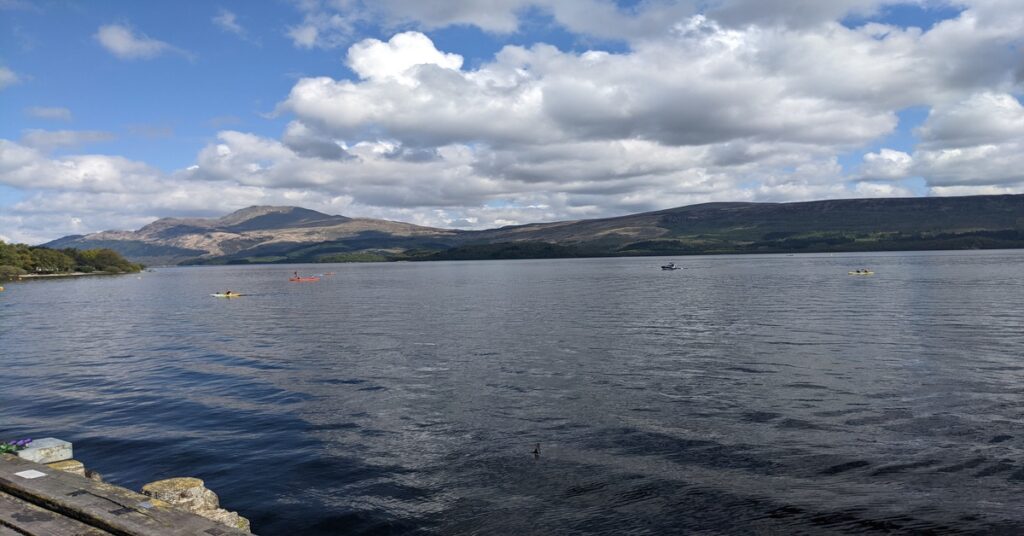
⛰️ Days 6–8: Oban, Glencoe and Glenfinnan
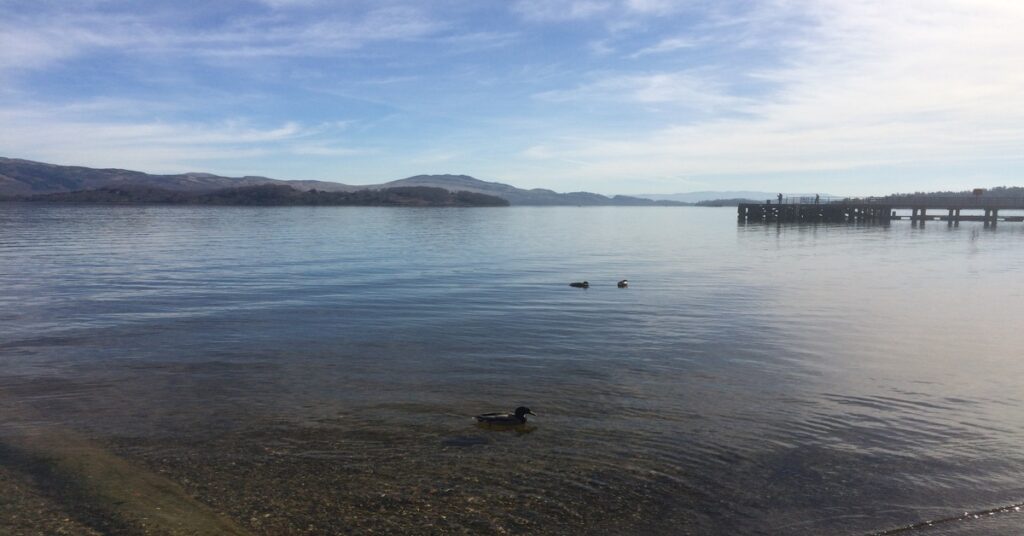
The western Highlands are where Scotland’s landscapes truly come alive. As you travel from the coast at Oban into the heart of the Highlands, the scenery becomes wilder, quieter, and more dramatic with every mile.
Oban marks the transition point. This lively harbour town sits where mainland Scotland meets the islands, offering sea air, fresh seafood, and a slower coastal rhythm. It’s an ideal place to pause, reset, and enjoy the maritime side of Scottish life before heading inland.
🏨Places to Stay in Oban
Oban is compact and easy to get around, so where you stay mainly depends on whether you want harbour views, easy ferry access, or a quieter hillside setting. Most accommodation is within walking distance of the town centre.
| Travel Style | Best Area to Stay | Hotel | Typical Price (per night) |
|---|---|---|---|
| Budget | Town Centre | Maridon House | £70–£110 |
| Mid-range | Harbourfront | Muthu Alexandra Hotel | £120–£180 |
| Comfort | Hill above Oban Bay | The Manor House | £180–£250 |
📅 Day 6 – Oban
Day 6 is a slower-paced day, giving you time to enjoy Oban properly. Known as the “Gateway to the Isles”, Oban blends coastal scenery, seafood, and island culture, making it a welcome break after driving through the Highlands.
Here’s what I recommend you do in Oban:
- Enjoy a relaxed morning by the harbour
Start the day with a walk along Oban Bay, watching ferries come and go and taking in views across to the surrounding islands. - Visit McCaig’s Tower
Walk or drive up to this iconic hilltop monument for panoramic views over Oban, the harbour, and nearby islands. It’s one of the best viewpoints on the west coast. - Explore Oban town centre
Wander through the compact town centre, browse small shops, and soak up the relaxed coastal atmosphere. - Optional island cruise or wildlife tour
If you want to get out on the water, Oban offers short boat trips, wildlife cruises, and island-hopping experiences. Many travellers book these in advance through GetYourGuide to secure spots during busy seasons. - Lunch featuring local seafood
Oban is famous for its seafood, particularly shellfish. Choose a casual harbour-side spot or traditional fish restaurant. - Visit Oban Distillery (optional)
Whisky fans may enjoy a short visit or tasting at one of Scotland’s oldest distilleries, located right in the town centre. - Free afternoon or coastal walk
Use the afternoon to relax, take a coastal stroll, or simply enjoy the slower pace before heading back into the Highlands tomorrow.
Overnight: Oban
📅 Day 7 – Glencoe
Day 7 takes you deeper into the Highlands, with one of the most dramatic landscapes in Scotland. The drive from Oban to Glencoe is short but incredibly scenic, allowing plenty of time to explore.
Here’s what I recommend you do on your way to and in Glencoe:
- Leave Oban after breakfast
Today’s drive is shorter, so there’s no need to rush.- By car: approx. 1.5–2 hours total driving time
- By train (alternative): Oban to Fort William, then local transport or tours
- Drive through rugged Highland scenery
The route north takes you past lochs, mountains, and quiet glens — a true Highland experience. - Arrive in Glencoe Valley
Glencoe is known for its dramatic peaks, deep valleys, and powerful history. Take time to stop at viewpoints and short walking trails. - Visit the Glencoe Visitor Centre
A good introduction to the area’s geology and history, with easy walks nearby. - Short hikes or scenic walks
Choose gentle valley walks or riverside paths rather than long hikes, keeping the day relaxed. - Photography stops along the A82
Glencoe is one of the most photographed locations in Scotland — pull over where safe and enjoy the views. - Optional guided Glencoe experience
If you prefer learning the history without planning routes, guided Glencoe tours are available and often booked via GetYourGuide. - Evening in Glencoe
Enjoy a quiet evening at your accommodation, ideally surrounded by mountains and open landscapes.
Overnight: Glencoe area
📅 Day 8 – Glenfinnan (Harry Potter Bridge) & Fort William
Day 8 combines famous film locations with classic Highland scenery as you travel from Glencoe to Fort William, passing one of Scotland’s most iconic landmarks.
Many travellers choose a guided Glenfinnan and Highlands tour that includes the viaduct, surrounding viewpoints, and local history. These are easy to book in advance via GetYourGuide, especially during peak season when parking and train timings can be busy.
Here’s what I recommend you do today:
- Leave Glencoe in the morning
The drive today is short, giving you flexibility around train times or viewpoints.- By car: approx. 1.5 hours total driving time
- By train (alternative): West Highland Line from Fort William area
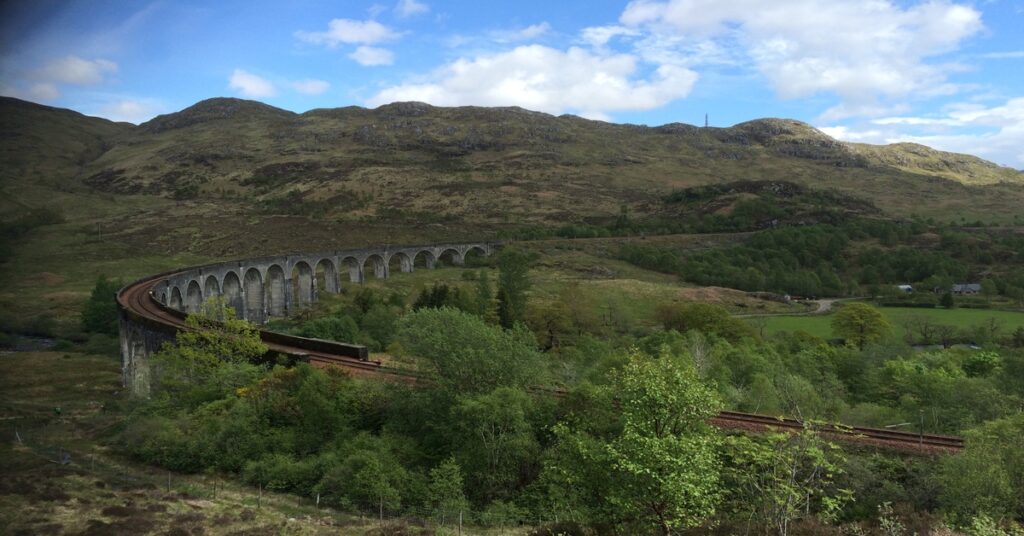
- Visit Glenfinnan Viaduct (Harry Potter Bridge)
One of Scotland’s most famous sights, this curved railway viaduct was featured in the Harry Potter films.- Walk to the main viewpoint for photos
- Check train times if you want to see the Jacobite Steam Train crossing
- Explore Glenfinnan Monument & Loch Shiel
A short walk takes you to the monument overlooking Loch Shiel, offering peaceful views beyond the viaduct crowds. - Optional Jacobite Steam Train experience
If you’d like to ride the famous steam train itself, tickets sell out quickly and are best booked well in advance. Some travellers also choose guided Glenfinnan day tours, often available through GetYourGuide. - Drive onward to Fort William
Continue north to Fort William, located at the base of Ben Nevis. - Explore Fort William town
Wander the High Street, visit local shops, or enjoy a relaxed dinner with mountain views. - Prepare for Ben Nevis day
Use the evening to rest, check weather conditions, and plan for tomorrow if you intend to hike or explore around Ben Nevis.
Overnight: Fort William
🐉 Days 9–11: Fort William, Fort Augustus and Loch Ness
Today is all about Scotland’s most famous mountain and the dramatic landscapes around Fort William. Whether you want a full hiking challenge or a more relaxed sightseeing day, there are excellent options to suit different energy levels.
🏨Places to Stay in Fort William
Fort William is one of the best bases for exploring the western Highlands, making it an ideal place to spend one or two nights during your itinerary. Accommodation here ranges from simple guesthouses and traditional inns to hotels with views of lochs and surrounding mountains.
| Travel Style | Best Area to Stay | Hotel | Typical Price (per night) |
|---|---|---|---|
| Budget | Town Centre | Alexandra Hotel | £70–£110 |
| Mid-range | Glen Nevis Road | Moorings Hotel | £120–£180 |
| Comfort | Loch Linnhe Waterfront | Inverlochy Castle Hotel | £250+ |
🗓️Day 9 – Ben Nevis (Fort William)
Today is all about Scotland’s most famous mountain and the dramatic landscapes around Fort William. Whether you want a full hiking challenge or a more relaxed sightseeing day, there are excellent options to suit different energy levels.
- Hike Ben Nevis (weather permitting)
Ben Nevis is the highest mountain in the UK, standing at 1,345 metres. The most popular route is the Mountain Track, which starts just outside Fort William.- Allow 7–9 hours round trip
- Suitable for fit walkers with good weather and proper gear
- Views can be incredible — but conditions change quickly
- Alternative: Ben Nevis Gorge & Lower Trails
If a full summit hike feels too demanding, explore the lower trails and gorge walks around Ben Nevis instead. These give you dramatic scenery without committing to a full-day climb. - Nevis Range Gondola (easier option)
Take the gondola up Aonach Mòr for panoramic Highland views without strenuous hiking. On clear days, this offers fantastic photo opportunities across Glen Nevis. - Explore Glen Nevis
Drive or walk through Glen Nevis, one of Scotland’s most beautiful glens, with waterfalls, river walks, and classic Highland scenery. - Visit the West Highland Museum
Located in Fort William, this small but excellent museum provides insight into Jacobite history, Highland culture, and local life. - Relax in Fort William
End the day with a relaxed evening in town. Fort William has several pubs and restaurants, many with views toward the loch or surrounding mountains.
If you prefer not to hike independently, guided Ben Nevis walks and Highland nature tours are available and can be booked in advance through platforms like GetYourGuide, especially useful if you want local expertise or added safety.
- Base: Fort William
- Driving: Minimal today (local roads only)
- Train-friendly: Yes — Fort William is well connected by rail, and local taxis or tours can cover nearby sights
Overnight: Fort William
🗓️Day 10 – Fort Augustus
Today you travel deeper into the Highlands, following one of Scotland’s most scenic routes past lochs, canals, and legendary landscapes.
- Depart Fort William in the morning
Leave Fort William after breakfast and head northeast toward Inverness, allowing plenty of time for stops along the way. - Drive through the Great Glen
This natural fault line cuts through the Highlands and is one of Scotland’s most dramatic landscapes, linking Loch Linnhe to the Moray Firth. - Stop at Fort Augustus
Fort Augustus sits at the southern tip of Loch Ness and is one of the most picturesque villages in the Highlands.- Walk along the Caledonian Canal locks
- Grab coffee or lunch by the water
- Watch boats pass through the lock system
- Loch Ness viewpoints
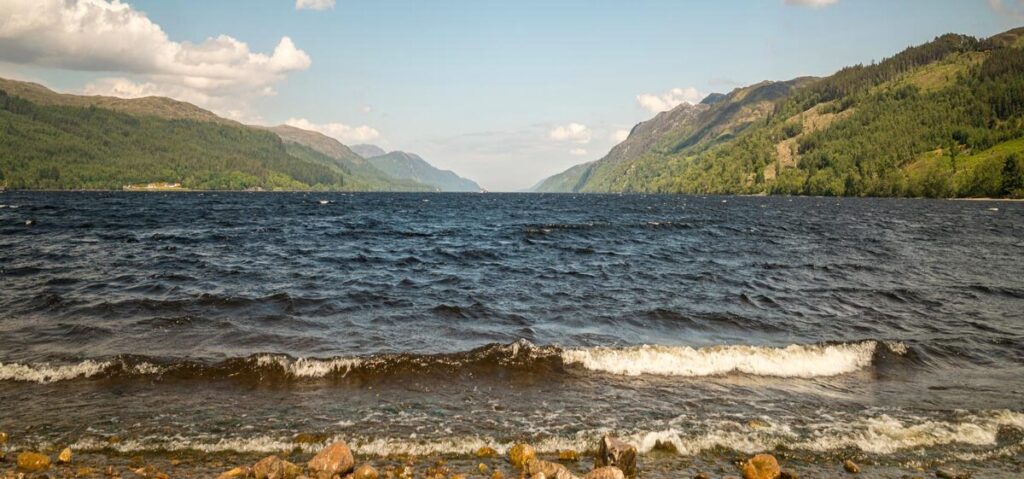
Take time to stop at scenic lay-bys along Loch Ness for photos and short walks. The loch stretches for over 35 km and feels wild and mysterious even on calm days. - Optional: Loch Ness cruise or guided experience
If you want to explore Loch Ness from the water or hear local legends, short cruises and guided tours are available around Fort Augustus and Inverness. - Arrive in Inverness mid-to-late afternoon
Check in to your accommodation and enjoy a gentle evening walk along the River Ness.
- Driving time: approx. 2.5–3 hours (excluding stops)
- By train: Fort William → Inverness via Spean Bridge (longer journey, but scenic)
- Best option: Car for flexibility and viewpoints
Overnight: Inverness
🗓️Day 11 – Inverness
Today is a full day to enjoy Inverness, the cultural capital of the Scottish Highlands, with a mix of history, nature, and relaxed city life.
- Explore Inverness Castle viewpoint
While the castle itself is undergoing redevelopment, the viewpoint offers lovely panoramas over the River Ness and city rooftops. - Walk the River Ness Islands
One of Inverness’s highlights, this peaceful walking route takes you across small islands linked by suspension bridges — a perfect slow-paced morning activity. - Visit Inverness Cathedral
Located by the river, this striking red sandstone cathedral is well worth a short visit. - Lunch in the city centre
Inverness has a surprisingly good food scene, with cafés, seafood spots, and traditional pubs within walking distance. - Culloden Battlefield (afternoon option)
Just outside the city, Culloden is one of Scotland’s most important historical sites.- Learn about the Jacobite uprising
- Walk the battlefield and visitor centre
- Accessible by car, taxi, or guided tour
- Clava Cairns (combine with Culloden)
These Bronze Age standing stones and burial cairns are atmospheric and quick to visit — a great addition if you’re already heading out of the city. - Evening by the River Ness
Return to Inverness for a relaxed evening walk, dinner, and perhaps a whisky bar visit.
- Driving: Short local journeys
- By bus/tour: Easy access to Culloden and Clava Cairns
- Train-friendly day: Yes
Overnight: Inverness
🦌 Days 12–13: Inverness & Perthshire
As you leave the Highlands behind and enter Perthshire, the landscape begins to soften. Towering mountains give way to forested hills, river valleys, and charming towns framed by autumnal colours and rolling countryside. Often referred to as “Big Tree Country”, Perthshire feels like a natural transition between wild Highland scenery and Scotland’s lowlands.
🏨Places to Stay in Inverness
Inverness is compact, easy to navigate, and offers a wide range of accommodation styles to suit different budgets and travel preferences. Whether you want to stay right in the city centre, enjoy riverside views along the River Ness, or base yourself just outside the city near Loch Ness, Inverness makes an excellent overnight stop in the Highlands.
| Travel Style | Best Area to Stay | Hotel | Typical Price (per night) |
|---|---|---|---|
| Budget | City Centre | Columba Hotel | £70–£110 |
| Mid-range | River Ness | Glen Mhor Hotel | £120–£180 |
| Comfort | Loch Ness / Countryside | Rocpool Reserve Hotel | £180–£250 |
🗓️Day 12 – Inverness
This day is intentionally flexible, giving you time to explore more of the Highlands or slow down after several travel days. It works equally well whether you want nature, history, or a rest day.
- Option 1: Loch Ness & Urquhart Castle
If you didn’t fully explore Loch Ness on Day 10, today is perfect for it.- Visit Urquhart Castle, one of Scotland’s most famous ruins
- Walk the shoreline for views across the loch
- Optional boat cruise for a different perspective
- Option 2: Black Isle Peninsula
A quieter alternative, the Black Isle offers coastal villages, farmland, and wildlife.- Visit Chanonry Point, one of the best places in Scotland to spot dolphins
- Explore villages like Cromarty and Fortrose
- Option 3: Cairngorms National Park (short section)
Head south toward the Cairngorms for forest walks and mountain scenery without committing to a full park itinerary.- Easy walks and viewpoints
- Ideal if you enjoy nature without long hikes
- Option 4: Relax in Inverness
If you prefer a slower day:- Visit cafés and independent shops
- Enjoy riverside walks
- Prepare for the longer drive south the following day
- Driving: Day trips range from 30 minutes to 1.5 hours each way
- By tour: Guided Loch Ness, Culloden, and Black Isle tours run daily
- Train-friendly: Limited — tours or car are best
Overnight: Inverness
🗓️Day 13 – Blair Atholl and Pitlochry
Today is one of the most scenic drives of the entire itinerary, taking you through the heart of the Highlands and into Perthshire before returning to Edinburgh.
- Depart Inverness early
An early start gives you time to enjoy the journey south without feeling rushed. - Drive through the Cairngorms National Park
Expect wide open landscapes, forested valleys, and classic Highland scenery as you head toward Perthshire. - Stop at Blair Atholl
A picturesque village at the edge of the Cairngorms.- Visit Blair Castle and its gardens
- Stretch your legs and enjoy the Highland setting
- Continue to Pitlochry
One of Scotland’s most popular Highland towns and an ideal lunch stop.- Walk to the Pitlochry Dam & Fish Ladder
- Browse local shops and cafés
- Optional short riverside walk
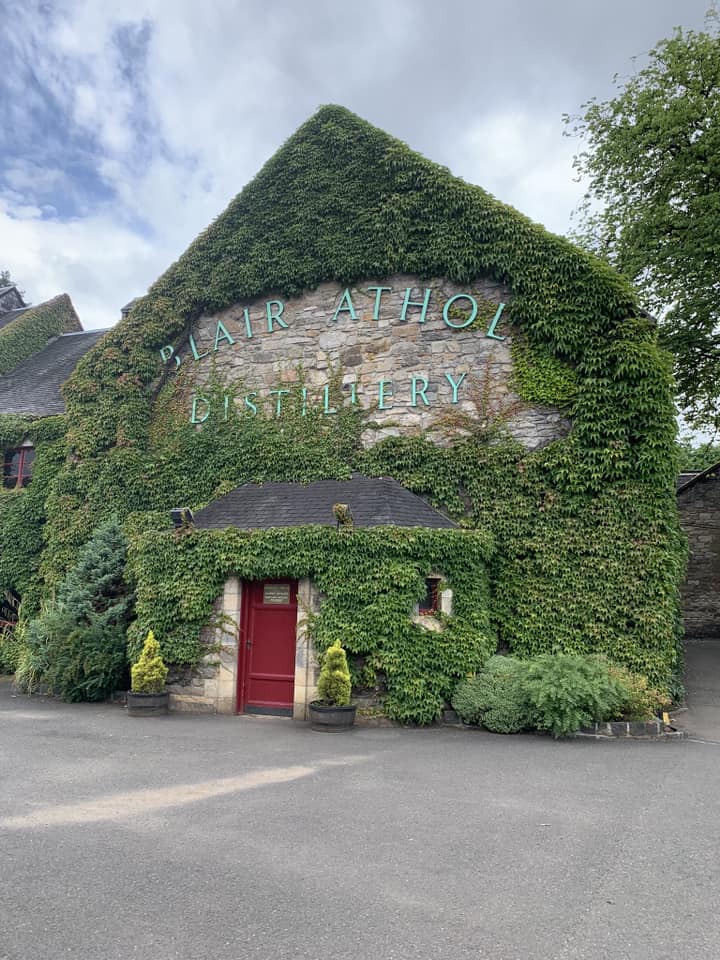
- Optional whisky distillery visit
Several distilleries are located near Pitlochry. If time allows, a short visit or tasting can be booked in advance. - Stop at South Queensferry (Forth Bridge viewpoint)
Before arriving back in Edinburgh, detour to South Queensferry for views of the iconic Forth Bridge, a UNESCO World Heritage Site.- Walk along the waterfront
- Photograph all three bridges crossing the Firth of Forth
- A relaxed, scenic way to transition back to the city
- Arrive in Edinburgh late afternoon or early evening
Check into your hotel and enjoy a final evening in the capital.
- Driving time: approx. 4–5 hours total (excluding stops)
- By train: Inverness → Pitlochry → Edinburgh (South Queensferry accessible via train or taxi separately)
- Best option: Car for flexibility and scenic stops
Overnight: Edinburgh
🔁 Day 14: Return to Edinburgh
Your final day in Scotland is all about keeping things simple and stress-free. Staying near Edinburgh Airport the night before makes returning the car and catching your flight far easier, especially after two weeks on the road.
- Check out from your airport hotel
Most hotels near Edinburgh Airport are designed for early departures, with quick access to the terminal and clear directions for car returns. - Return your hire car near the airport
Edinburgh Airport has a dedicated Car Rental Centre, located just off the main airport approach road.- Allow 20–30 minutes for fuel, inspection, and paperwork
- Follow signs for “Car Rental Return” rather than the terminal itself
- Free shuttle buses run from the car rental centre to the terminal
- Alternative: Long-stay airport parking
If you’ve chosen to keep the car until the last moment, long-stay parking options near the airport are clearly signposted and well organised. Shuttle buses run frequently to the terminal. - Arrive at the terminal with time to spare
For international flights, aim to arrive at least 2.5–3 hours before departure, especially during summer or school holidays. - Final moments in Scotland
Grab a coffee, pick up last-minute souvenirs, and reflect on two unforgettable weeks exploring Scotland’s cities, Highlands, lochs, and coastline.
- Driving: Minimal
- Train alternative: Airport hotels are accessible via tram or taxi from central Edinburgh
- Best option: Airport hotel + car return for convenience
Trip complete 🎉
💷 How Much Would It Cost to Spend 2 Weeks in Scotland?
Overall, accommodation remains the largest daily expense, especially during peak summer months. Travelling as a couple often provides better value per person, while solo travellers may find transport and lodging slightly more expensive on a per-day basis.
🧍♂️Solo
For solo travellers, a budget-friendly two-week trip to Scotland typically averages £130–£160 per day, assuming hostel stays or simple guesthouses, public transport, and a mix of supermarket meals and casual dining. A mid-range solo traveller can expect daily costs of around £180–£230, covering comfortable hotels or B&Bs, occasional car hire or train travel, paid attractions, and regular meals out. Those travelling at a more comfortable or premium level should budget £270–£320 per day, which allows for boutique accommodation, full car hire, guided tours, and higher-end dining.
👫Couples
For couples travelling together, costs per person are often lower due to shared accommodation and transport. A budget couple can expect to spend around £110–£140 per person per day, while a mid-range couple will typically average £160–£200 per person per day, staying in well-rated hotels or B&Bs and enjoying meals out most days. Couples looking for a more comfortable experience should budget roughly £230–£280 per person per day, which supports higher-quality accommodation, car hire throughout the trip, and occasional luxury experiences.
🏕️ Two Weeks in Scotland Camping – Is It a Good Idea?
Camping in Scotland for two weeks is a fantastic option if you enjoy the outdoors and want maximum flexibility. Scotland is famous for its right to roam, which allows responsible wild camping in many rural areas, particularly in the Highlands.
A camping-based Scotland two week itinerary works best if you’re travelling by car or campervan, as it gives you access to remote lochs, glens, and coastal areas. Campsites are well spread across this route, especially around Oban, Fort William, Inverness, and Pitlochry, with facilities ranging from basic pitches to full-service sites.
Wild camping is permitted in most areas outside of the Loch Lomond & The Trossachs National Park (where seasonal restrictions apply), but it’s important to follow Leave No Trace principles. Weather can be unpredictable, so a mix of campsites and occasional indoor accommodation is often the most comfortable approach for a two-week trip.
🚆 Two Weeks in Scotland by Train – Is It Possible?
Yes, a two-week Scotland itinerary by train is very achievable, particularly when following a route that focuses on cities and the mainland Highlands. Many of the key stops in this itinerary are well connected by rail, making train travel a realistic option for large parts of the journey.
Routes such as Edinburgh to Glasgow, Glasgow to Fort William (via the West Highland Line), and Inverness to Pitlochry are not only reliable but also some of the most scenic train journeys in the UK. These services allow you to enjoy Scotland’s landscapes without the need to drive long distances.
Some locations, such as Glencoe, Loch Lomond, and smaller Highland villages, are easier to reach with a combination of trains, local buses, or guided tours. While a car offers greater flexibility, travelling by train provides a relaxed, stress-free way to explore Scotland over two weeks, especially for visitors who prefer not to drive.
🚌 Two Weeks in Scotland by Coach – Can You Do It?
Travelling Scotland by coach over two weeks is very possible, especially if you prefer a structured, low-stress way to see the country. Long-distance coaches connect major cities such as Edinburgh, Glasgow, Inverness, and Fort William, often at a lower cost than trains.
For more remote areas, many travellers combine coaches with multi-day guided tours, which are popular for routes through Glencoe, Loch Ness, and the Highlands. These tours remove the need to drive narrow roads and provide local insight, making them ideal for solo travellers or those new to Scotland.
While coach travel is slower and less flexible than driving, it’s one of the most budget-friendly ways to follow a Scotland two week itinerary. Planning ahead is key, as rural routes may run less frequently, but with good timing, a coach-based trip can be both affordable and enjoyable.
❓ FAQ: Scotland Two Week Itinerary in 2026
Here are the most frequently asked questions about the Scotland Two Week Itinerary.
🗓️ Is two weeks too long in Scotland?
Not at all. Two weeks is ideal for Scotland, especially if you want to explore the Highlands without rushing. It allows time for cities, scenic drives, historic towns, and outdoor experiences while keeping travel days manageable.
🚆 Can I do a Scotland itinerary without a car?
A car offers more flexibility in the Highlands and rural areas, while trains provide a relaxed, scenic experience with no driving stress. This itinerary works with both options, although driving saves time in remote regions. Camping or Coach Tours are other options.
💰 Is Scotland expensive for tourists?
Daily budgets vary by travel style. Budget travellers typically spend £130–£160 per day, mid-range travellers £180–£230, and comfort travellers £270+ per day. Couples often save money by sharing accommodation and transport.
🏨 Where should I stay during a two-week Scotland trip?
A mix of city hotels, Highland inns, and B&Bs works best. Popular bases include Edinburgh, Glasgow, Oban, Fort William, Inverness, and Pitlochry, all of which offer good transport links and accommodation options.
⛰️ Do I need to be fit for this itinerary?
No. This itinerary is designed for all fitness levels. Activities like hiking Ben Nevis are optional, and most destinations can be enjoyed through sightseeing, short walks, and scenic viewpoints.
🌦️ What’s the best time of year to follow this itinerary?
Late spring (May–June) and early autumn (September) offer the best balance of good weather, fewer crowds, and lower prices. Summer has the longest daylight hours but is busier and more expensive.
🎒 Is this itinerary suitable for first-time visitors?
Yes. This Scotland two week itinerary is ideal for first-time visitors, covering iconic cities, famous landmarks, and Highland scenery at a comfortable pace.
👨👩👧 Can families follow this itinerary?
Absolutely. With minor adjustments to driving times and activities, this route works well for families, especially those travelling with older children or teenagers.
🏴☠️ Will I see Loch Ness on this itinerary?
Yes. The route includes Fort Augustus and Inverness, both excellent bases for exploring Loch Ness and the surrounding area.
Have questions or want help choosing the right visa? Subscribe or explore more articles on UK visas and immigration tips.
Latest Articles

What are language test requirements for UK immigration?
You may be required to submit proof that you have a minimum standard of the English language when you apply for a UK work visa. This requirement will depend on which type of visa you have applied for, whether you will be working or studying, and how long you plan to stay in the UK. […]
How to immigrate to the UK as a nurse in 2023
Health professionals are in high demand in the UK and even has its own visa, the Health and Care Worker visa. The UK government has set a target for 50,000 more nurses by 2024 in England alone, one of the ways to do this is to attract international talent. The National Health Service (NHS) is […]

First ballot for the UK India Professionals Scheme
The United Kingdom’s newest visa will launch on Tuesday 28th February 2023, the long-awaited India Professionals Scheme. This visa will be the easiest way for young Indians to live and work in the UK, for up to two years. This visa is a good way to settle in the UK before applying for longer term […]

UK Job Vacancies and Pay Febuary 2023
On February 2023, the Office for National Statistics (ONS) released its latest monthly report on employment in the UK. The report shows a near all time high of employment in the UK with increasing salaries. If you are interested in filling one of these vacancies and want to move to the UK, check out our […]
Best Cities to Work and Live in the UK in 2023
The United Kingdom has long been the world-famous place to work and live in due to the huge number of opportunities it offers in terms of career and life. Since it is among the top economies in the world, those looking for a high living standard with excellent employment opportunities find it the perfect spot. […]

What salary can I earn in the UK in 2023?
how much can you earn in the UK? The UK is a high-income economy, but how much do you need to earn for a comfortable life? When you think of moving to the UK, the first thing that comes to your mind is how much salary you will earn. From April 2023 the minimum hourly […]
How much money do you need to move to the UK?
How much does it cost to move to the UK? The amount of money to save when planning a move to the UK will vary from person to person, having your finances planned correctly is one of the most important aspects of moving to the UK. How much is a visa? Do I have to […]
UK Immigration – Visa processing times – November 2023
How long will it take to process my UK Visa Appplication? The UK is a top destination for many talented people around the world, looking to work or study and build a new life. Skilled immigration benefits the UK economy whilst providing a better opportunity for individuals born abroad. The immigration system in the UK […]