

Shipping your belongings to the UK can be one of the biggest practical decisions when planning a move.
Some new arrivals travel light with suitcases, while others send boxes, furniture, household items or larger shipments through an international removals company.
The best option depends on your budget, timeline, family size, accommodation plans and how long you expect to stay in the UK.
This guide explains the main ways to ship items to the UK, what to bring, what to avoid, and the common mistakes to watch out for before sending your belongings.
- Who This Guide Is For
- Should You Ship Items to the UK or Travel Light?
- Suitcases vs Boxes vs International Removals
- What to Bring When Moving to the UK
- What Not to Bring
- Shipping Costs to the UK
- Customs, Forms and Restricted Items
- Insurance and Tracking
- When to Ship Your Belongings
- Common Shipping Mistakes to Avoid
- Moving to the UK Packing Checklist
- Shipping to the UK FAQs
- Related Guides
- More Planning Guides
Who This Guide Is For
This guide is for people moving to the UK for work, study, family, youth mobility, graduate routes or long-term relocation.
It may help if you are deciding whether to bring only suitcases, send boxes, use luggage shipping, or arrange a larger international removal.
💡 A Quick Note from Kris: I would not automatically ship everything you own. UK homes can be smaller than many people expect, especially in cities, and buying some items after arrival may be easier than paying to ship them.
Should You Ship Items to the UK or Travel Light?
Before booking shipping, think carefully about how long you plan to stay in the UK and what accommodation you will have.
If you are coming for a short course, Youth Mobility Scheme, Graduate Visa or temporary work route, travelling light may be enough. Suitcases and a few essential items can be simpler than paying for international shipping.
If you are moving with family, relocating long term, or bringing specialist equipment, shipping may make more sense.
You should also think about where you will live when you arrive. If you start in temporary accommodation, shared housing or a small flat, you may not have space for large boxes or furniture straight away.
Suitcases vs Boxes vs International Removals
There are three main ways people bring belongings to the UK.
The simplest option is travelling with suitcases. This works well for clothes, important documents, electronics and essential personal items.
Another option is sending boxes through a parcel, courier or luggage shipping service. This can be useful for clothing, books, small household items or personal belongings you do not need immediately.
For larger moves, an international removals company may be more suitable. This is usually used for furniture, multiple boxes, family moves or full household relocations.
Each option has trade-offs. Suitcases are simple but limited. Boxes give you more space but require planning. Removals can handle larger moves but may cost more and take longer.
What to Bring When Moving to the UK
Most new arrivals should prioritise practical, personal and hard-to-replace items.
Useful things to bring may include:
- passport and visa documents
- birth, marriage or education certificates
- employment or university documents
- prescription medication and medical letters
- laptop, phone and chargers
- essential clothing
- weather-appropriate coat and shoes
- important sentimental items
- small electronics that work safely in the UK
- specialist work or study items
For everyday items like bedding, towels, kitchenware and basic furniture, compare the cost of shipping with the cost of buying after arrival.
What Not to Bring
Some items may not be worth shipping to the UK.
Large furniture can be expensive to move and may not fit UK homes. Bulky items may also be difficult if you are renting, moving into furnished accommodation or unsure where you will live.
Avoid shipping items that are cheap to replace, badly worn, difficult to insure, or likely to cause customs problems.
You should also be careful with food, plants, animal products, alcohol, tobacco, weapons, medicines and restricted goods. Some items may be banned, restricted or require extra paperwork.
Before packing, always check the latest UK customs rules for anything unusual or high value.
Shipping Costs to the UK
Shipping costs vary depending on the country you are sending from, the size and weight of your shipment, the shipping method, insurance, delivery speed and whether customs support is included.
As a general rule, air freight is usually faster but more expensive. Sea freight is often cheaper for larger shipments but can take much longer.
When comparing quotes, check what is included. A cheap quote may not include collection, delivery to your final address, customs paperwork, insurance, storage, taxes or extra handling fees.
Ask for a full breakdown before booking so you understand the real cost.
Customs, Forms and Restricted Items
If you are moving personal belongings to the UK, you may need to follow customs rules.
GOV.UK explains that you might need to pay tax and customs duty when moving personal belongings to the UK from abroad, and that you must follow rules on goods, cash, food, plants, animals, vehicles and other items.
Some people moving their normal home to the UK may be able to claim Transfer of Residence relief. This can provide relief from customs charges on personal belongings and other goods when transferring your place of residence to Great Britain, or to Northern Ireland from outside the EU.
Rules can depend on where you are moving from, what you are bringing, whether the goods are personal belongings, and whether the items are banned or restricted.
If you use a removals or shipping company, ask whether they help with customs forms and what information they need from you.
Insurance and Tracking
Insurance is worth considering when shipping belongings internationally.
Even careful shipments can be delayed, damaged or lost. Before booking, check whether the shipping company includes basic cover or whether you need to buy extra insurance.
Make sure you understand what is covered, what is excluded, and how claims work.
You should also keep tracking details, receipts, a packing list and photos of valuable items before shipping. This can help if you need to contact the shipping company or make an insurance claim.
When to Ship Your Belongings
Timing matters.
If you ship items too early, they may arrive before you have accommodation. If you ship too late, you may spend weeks without important belongings.
Think about:
- your UK arrival date
- your first accommodation
- whether someone can receive the delivery
- customs processing time
- shipping delays
- whether you need storage
- what you can carry in your suitcase
If you are moving into temporary accommodation first, it may be better to delay larger shipments until you know your long-term address.
Common Shipping Mistakes to Avoid
A common mistake is shipping too much. Many people arrive in the UK and realise they do not have space for everything they brought.
Another mistake is not checking customs rules before packing. Restricted items, food, plants, alcohol, tobacco or high-value goods can cause delays or extra charges.
Some people also forget to create a clear packing list. This can make customs, insurance and unpacking more difficult.
It is also important not to rely on shipping for urgent essentials. Keep important documents, medication, valuables, chargers and first-week essentials with you when you travel.
Finally, avoid choosing a shipping company based only on the cheapest quote. Check reviews, insurance, delivery times, customs support and what is included.
Moving to the UK Packing Checklist
Before shipping belongings to the UK, prepare:
- passport and visa documents
- important certificates and records
- inventory or packing list
- shipping quote
- insurance details
- customs forms or guidance
- delivery address
- contact number and email
- photos of valuable items
- essential items for your suitcase
- backup clothes and medication
- tracking details
💡 A Quick Note from Kris: I would pack your first week in the UK as if your shipment will be delayed. Keep documents, medicine, chargers, clothes and anything urgent with you.
Shipping to the UK FAQs
📦 Should I ship my belongings to the UK?
It depends on your budget, length of stay, accommodation and how much you want to bring. For short stays, suitcases may be enough. For family or long-term moves, shipping can make more sense.
🧳 Is it better to use suitcases or shipping boxes?
Suitcases are simpler for essentials and short moves. Shipping boxes are useful if you have more belongings but do not want to pay for extra airline luggage.
🏠 Should I ship furniture to the UK?
Only if it is worth the cost and you are confident it will fit your UK accommodation. Many rental properties are smaller or already furnished.
⏱️ How long does shipping to the UK take?
It depends on the country, shipping method and customs process. Air shipping is usually faster, while sea freight can take much longer.
💷 Will I pay customs duty on personal belongings?
You might need to pay tax or customs duty, depending on your situation and what you bring. Some people moving their normal home to the UK may be able to claim Transfer of Residence relief.
🚫 What items should I avoid shipping?
Be careful with food, plants, animal products, alcohol, tobacco, medicines, weapons, restricted goods and high-value items. Always check current rules before shipping.
🛡️ Do I need shipping insurance?
It is worth considering, especially for valuable or important items. Check what is covered, what is excluded and how claims are handled.
Related Guides
If you are planning your UK move, these guides may also help:
- 👉 Planning Your Move to the UK
- 👉 Moving Money to the UK
- 👉 Banking in the UK for New Arrivals
- 👉 First 90 Days in the UK
- 👉 Renting in the UK as a New Arrival
- 👉 Cost of Living in the UK
- 👉 Moving to the UK With Pets
Have questions or want help choosing the right visa? Subscribe or explore more articles on UK visas and immigration tips.
More Planning Guides
Insurance for New Arrivals in the UK
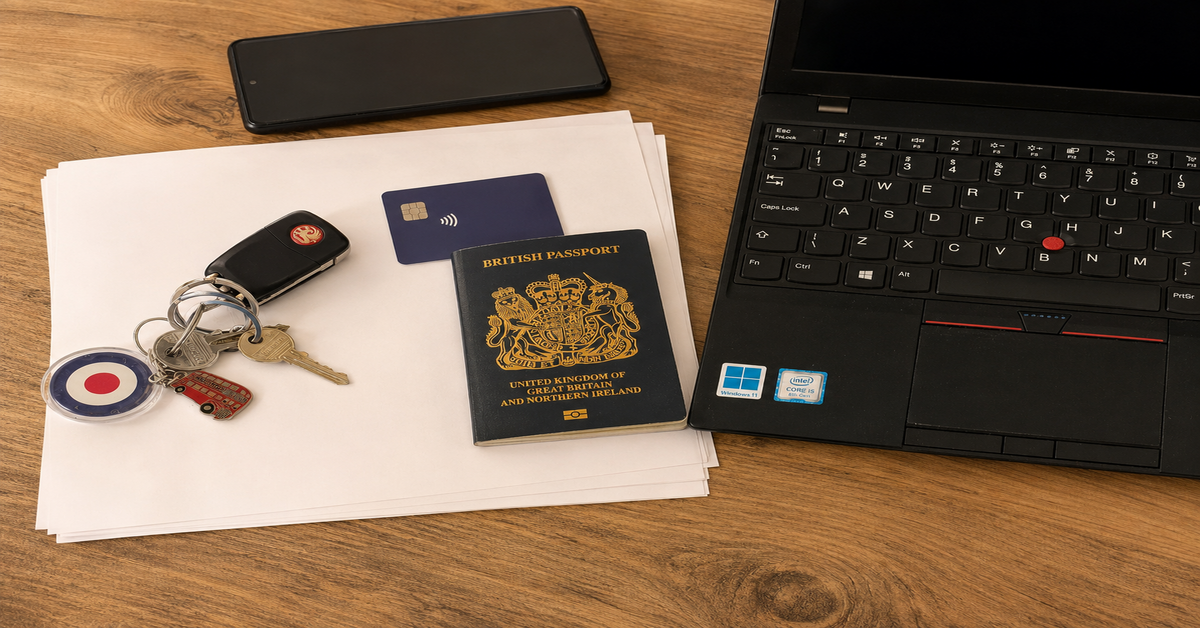
Insurance is one of those UK life admin tasks that many new arrivals do not think about until something goes wrong. When you first move to the UK, you may be focused on your visa, job, accommodation, bank account and phone number. But insurance can also be important, especially if you are renting, driving, bringing […]
Moving to the UK With Pets
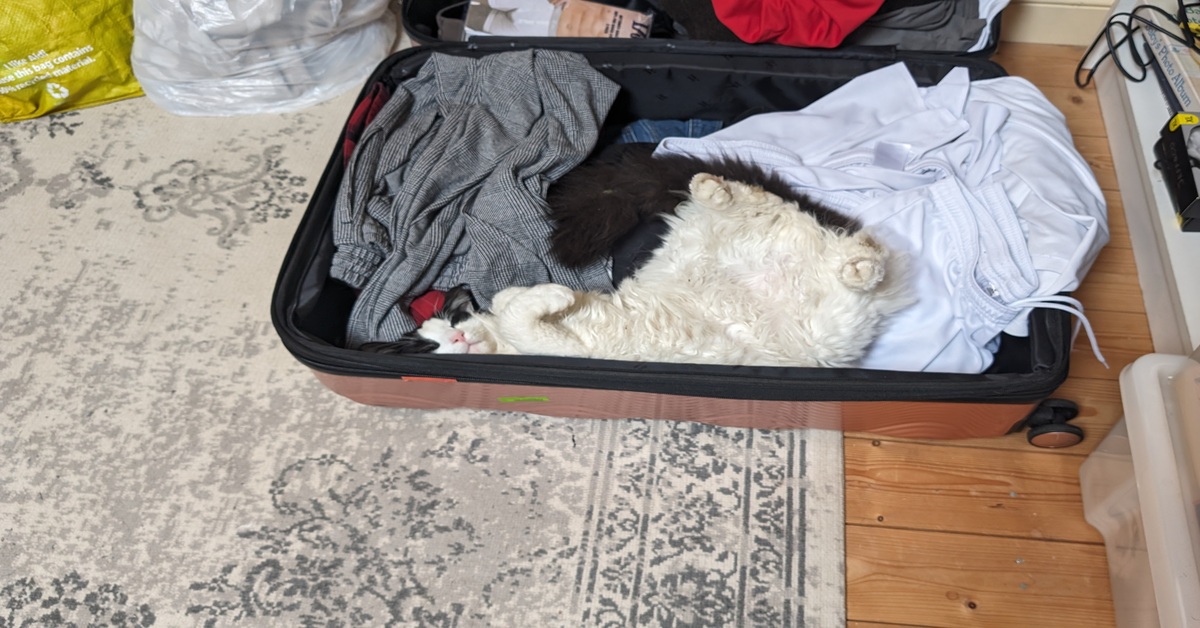
Moving to the UK with pets takes extra planning, but it can be done if you understand the rules early. For many people, pets are part of the family. If you are bringing a cat or dog to the UK, you need to think about travel documents, vaccinations, approved routes, transport options, costs and where […]

Shipping to the UK
Shipping your belongings to the UK can be one of the biggest practical decisions when planning a move. Some new arrivals travel light with suitcases, while others send boxes, furniture, household items or larger shipments through an international removals company. The best option depends on your budget, timeline, family size, accommodation plans and how long […]
Moving Money to the UK
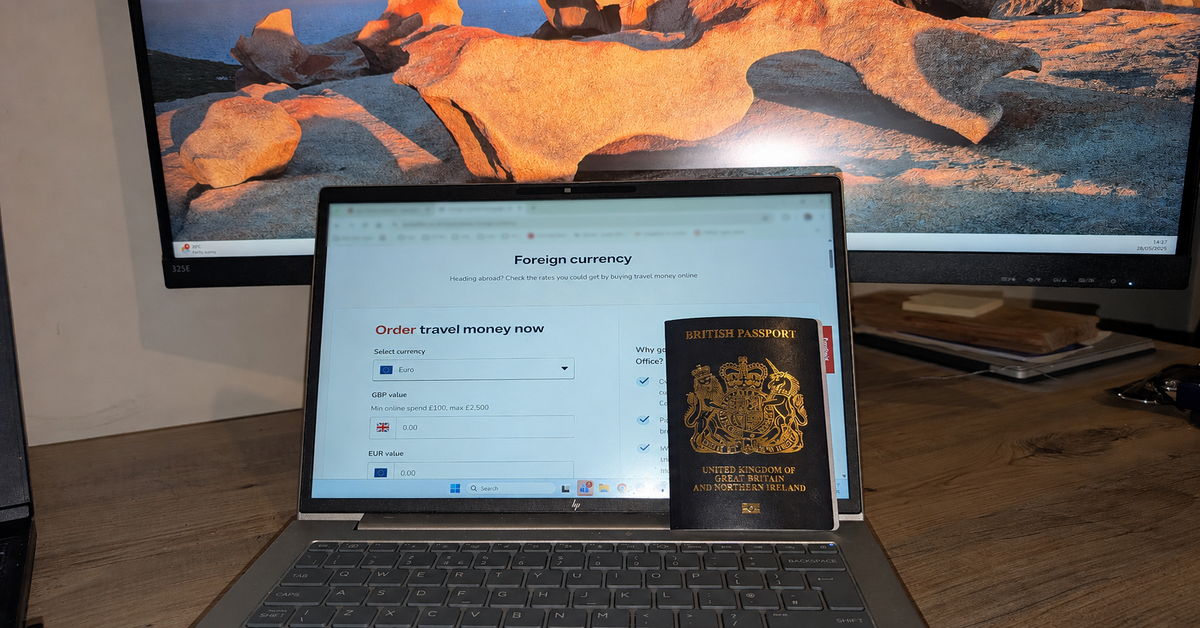
Moving money to the UK is one of the most important financial steps when planning your relocation. You may need to transfer savings for rent, deposits, tuition fees, visa costs, travel, furniture, everyday spending or your first few months before receiving UK income. There are several ways to move money to the UK, including international […]

Banking in the UK for New Arrivals
Opening a UK bank account is one of the most useful steps after moving to the UK. A UK account can help you receive wages, pay rent, set up direct debits, use a debit card, build a financial footprint and manage everyday spending. For new arrivals, the main challenge is usually proving your identity and […]

UK Universities Map and Affordable Universities in the UK
If you’re planning to study in Britain, using a UK universities map is one of the best ways to understand where different universities are located and what each region has to offer. Whether you’re comparing campuses in London, Scotland, or the North of England, the map helps you visualise your options before applying. At the […]

How to Get a UK Number [for Work, Study or Travel]
If you’re planning to move to the UK, one of the first practical things you’ll need is a UK phone number. A local number makes everyday life much easier, from applying for jobs and renting accommodation to opening a bank account and receiving important verification texts. In this guide, you’ll learn how UK numbers work, […]

Can I Buy a Car on Finance in the UK on a Visa? Just Moved to the UK
🚗 Can You Buy a Car on Finance in the UK on a Visa? Relocating to the UK often means starting fresh, a new home, a new job, and new transport needs. For many newcomers, the ability to buy a car on finance in the UK is essential for commuting, family life, and settling in […]