

Working in the UK usually starts with understanding the right visa route, whether you need employer sponsorship, and what kind of jobs are available to overseas applicants.
Some people move to the UK through a sponsored job offer, while others may qualify through routes such as Youth Mobility, Graduate visas, UK Ancestry, or healthcare-specific pathways.
This page is a starting point for anyone planning to work in the UK, with links to guides on work visas, sponsorship, salary rules, healthcare jobs, and finding employers that can sponsor overseas workers.
- Working in the UK as an Overseas Applicant
- UK Work Visa Options
- Finding UK Employers That Sponsor Overseas Workers
- Jobs, Salary Requirements and Occupation Codes
- Healthcare and Nursing Jobs in the UK
- Working in the UK Without a Sponsored Job
- Documents You May Need for a UK Work Visa
- Which UK Work Route Might Suit You?
- Country-Specific Work Guides
- Common Mistakes When Trying to Work in the UK
- Start With the Right Work Route
- Want Practical UK Relocation Updates?
- More Work Visa Guides
Working in the UK as an Overseas Applicant
There are several ways to work in the UK, but the right route depends on your situation. Some people need a sponsored job offer from a licensed employer, while others may qualify through routes that do not require sponsorship, such as Youth Mobility, Graduate Visa, UK Ancestry, or certain family-based routes.
For most long-term workers, the main route is employer sponsorship. This usually means finding an eligible job with a UK employer that has a sponsor licence, meeting the salary rules, and receiving a Certificate of Sponsorship before applying for the visa.
💡 A Quick Note from Kris: I would start by deciding whether you need sponsorship or not. This one question changes everything, where you search for jobs, what documents you need, and which visa route makes sense.
UK Work Visa Options
The UK has several visa routes that may allow you to work, but they are not all designed for the same purpose.
Some routes are built around employer sponsorship, such as the Skilled Worker visa and Health and Care Worker visa. Others are more flexible temporary routes, such as the Youth Mobility Scheme. There are also routes linked to nationality, study, ancestry, business, or family circumstances.
If you are unsure where to begin, compare the main work routes first. This will help you understand whether you need a job offer, whether your employer must sponsor you, and whether the route can lead to long-term settlement.
Useful guides:
👉 Types of Work Visas UK
👉 Skilled Worker Visa UK
👉 Health and Care Worker Visa UK
👉 Graduate Visa UK
👉 Youth Mobility Scheme Visa UK
Finding UK Employers That Sponsor Overseas Workers
One of the hardest parts of moving to the UK for work is not always the visa application itself. It is finding an employer that is both willing and legally able to sponsor you.
Not every UK company can sponsor overseas workers. Even if a company is large or well-known, it must hold the correct sponsor licence and the specific job must meet the relevant visa requirements.
When searching for jobs, look for phrases such as “visa sponsorship available”, “Skilled Worker sponsorship”, or “Certificate of Sponsorship”. You can also check whether an employer appears on the official sponsor register before spending time on an application.
💡 A Quick Note from Kris: I would not apply randomly to every UK job. Focus first on employers that already sponsor, roles that match eligible occupation codes, and sectors where international hiring is common.
Useful guides:
👉 Skilled Worker Visa UK
👉 Certificate of Sponsorship UK
👉 List of Companies That Sponsor Work Visas in the UK
Jobs, Salary Requirements and Occupation Codes
Not every job in the UK can lead to a work visa. For sponsored routes, the role usually needs to meet the correct skill level, salary threshold and occupation code rules.
This is why job title alone is not enough. Two similar-sounding roles can be treated differently depending on the official occupation code, salary level and duties. Employers also need to make sure the role is genuine and that the salary follows the rules for that visa route.
Some roles may be affected by the Immigration Salary List, Temporary Shortage List, or occupation-specific salary rules. Because these rules can change, always check the latest guidance before relying on a job offer.
Useful guides:
👉 Immigration Salary List UK
👉 Shortage Occupation List UK
👉 Carer Jobs in UK with Visa Sponsorship
Healthcare and Nursing Jobs in the UK
Healthcare is one of the most common sectors for overseas workers moving to the UK.
The Health and Care Worker visa is designed for eligible health and social care professionals who have a job offer from an approved UK employer. GOV.UK says this route can apply to medical professionals working for the NHS, an NHS supplier, or in adult social care, provided the job and employer meet the rules.
This route is especially important for nurses, doctors, care workers and other healthcare professionals. It can also be more affordable than many other work routes because Health and Care Worker visa applicants do not pay the Immigration Health Surcharge.
Useful guides:
👉 Health and Care Worker Visa
👉 How to Work as a Nurse in the UK
👉 NHS Jobs for Nurses
Working in the UK Without a Sponsored Job
Not everyone needs employer sponsorship before moving to the UK.
Some people qualify for routes that allow them to come to the UK without a sponsored job offer first. These can include the Youth Mobility Scheme, Graduate Visa, UK Ancestry Visa, British National Overseas route, or family-based routes depending on personal circumstances.
These routes can be useful because they may give you more flexibility when looking for work. However, they do not all lead directly to settlement, and some are temporary. If your long-term goal is to stay in the UK permanently, you should check whether your route can lead to Indefinite Leave to Remain or whether you may need to switch visas later.
💡 A Quick Note from Kris: A no-sponsorship route can be a good way to enter the UK job market, but it is still worth thinking ahead. Ask yourself whether the route is temporary or whether it can support your long-term plans.
Useful guides:
👉 How to Move to the UK Without a Job
👉 Youth Mobility Scheme Visa UK
👉 Graduate Visa UK
Documents You May Need for a UK Work Visa
The documents you need depend on the visa route, but sponsored work applications usually require several key details.
For the Skilled Worker route, GOV.UK says applicants usually need to provide a Certificate of Sponsorship reference number, proof of English, a valid passport, job title and salary, occupation code, and the sponsor’s name and licence number.
Depending on your circumstances, you may also need evidence of savings, tuberculosis test results, qualification documents, criminal record certificates for some roles, or proof of relationship if family members are applying with you.
This is why it helps to organise your documents before applying, especially if you are applying from outside the UK.
Which UK Work Route Might Suit You?
If you already have a job offer from a licensed employer, the Skilled Worker visa or Health and Care Worker visa may be the first routes to check.
If you are a nurse, doctor, care worker or healthcare professional, the Health and Care Worker route may be more relevant.
If you are young and from an eligible country, the Youth Mobility Scheme may allow you to live and work in the UK temporarily without sponsorship.
If you recently studied in the UK, the Graduate Visa may give you time to work and look for sponsorship later.
If you have a UK-born grandparent and meet the nationality rules, UK Ancestry may be worth checking.
If your main reason for moving is family, a Family Visa may be more appropriate than a work route.
Country-Specific Work Guides
Some applicants also need country-specific information because visa fees, documents, visa application centres, tuberculosis test rules, and common routes can vary depending on where they apply from.
Country guides can be useful if you want to understand the process from your location, especially if you are applying from a country with high demand for UK work or study routes.
Useful guides:
👉 UK Work Visa from India
👉 UK Visa Fees for Nigerians
Common Mistakes When Trying to Work in the UK
A common mistake is assuming that any UK job can lead to a visa. In reality, the employer must normally be licensed, the role must be eligible, and the salary must meet the rules.
Another mistake is applying to jobs without checking whether sponsorship is available. Some employers may be open to overseas applicants, while others cannot or will not sponsor.
It is also easy to focus only on the visa and forget the wider move. If you receive a job offer, you still need to plan accommodation, UK phone setup, banking, cost of living and your first few weeks after arrival.
💡 A Quick Note from Kris: I would treat the job offer as only one part of the move. The strongest applicants understand the visa route, the employer sponsorship process, and the practical steps needed after arrival.
Start With the Right Work Route
Before applying for jobs or preparing documents, it helps to understand which UK work route fits your situation.
If you need sponsorship, focus on licensed employers, eligible roles, salary requirements and the Certificate of Sponsorship process.
If you do not have a job offer yet, compare routes that may allow you to move to the UK without sponsorship first.
Once you know your likely route, you can plan the next steps more clearly including job applications, documents, visa costs, accommodation and settling into life in the UK.
Useful guides:
👉 First 90 Days in the UK
👉 Banking in the UK for New Arrivals
👉 How to Get a UK Number
👉 Cost of Living in the UK
Want Practical UK Relocation Updates?
Join the newsletter for clear, no-nonsense guidance on visas and settling in the UK.
More Work Visa Guides
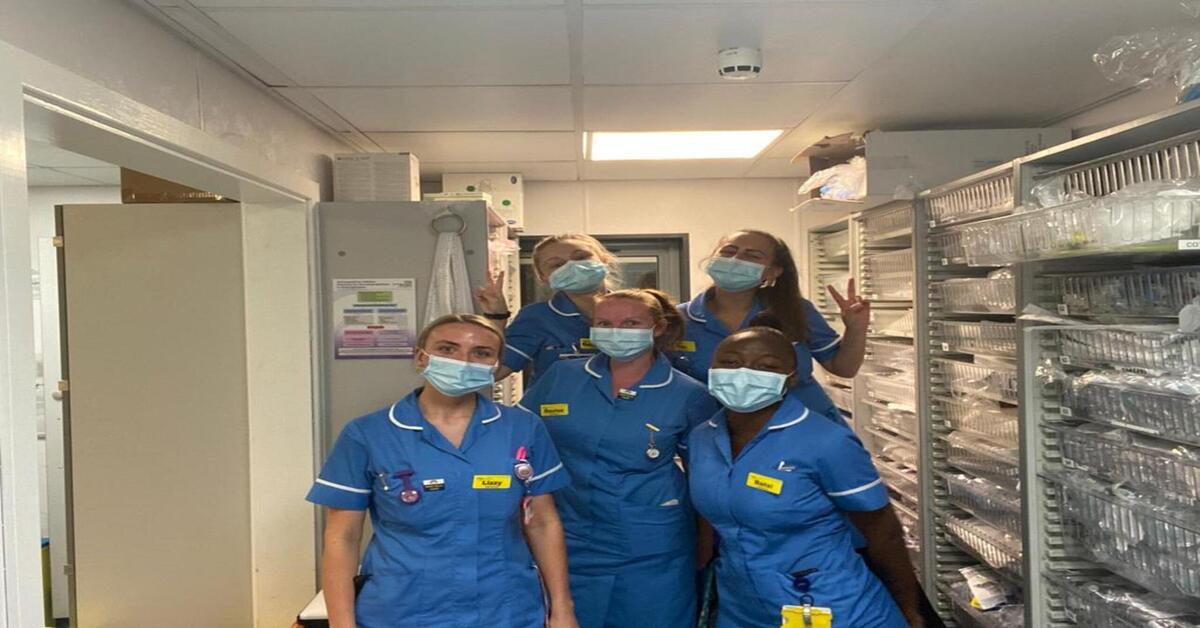
How to Work as a Nurse in the UK: Visa, Jobs and NMC Registration
If you want to work as a nurse in the UK, you will usually need two things: professional registration with the Nursing and Midwifery Council (NMC) and the right visa or immigration status. For many overseas nurses, the main route is the Health and Care Worker visa. This allows eligible healthcare professionals to live and […]

Shortage Occupation List UK: What Replaced It in 2026?
The Shortage Occupation List UK was once the main list used to identify jobs where UK employers faced recruitment difficulties. It was replaced by the Immigration Salary List in April 2024, and the current system now also includes the Temporary Shortage List for certain medium-skilled occupations. Many people still search for the old Shortage Occupation […]

UK Visa Fees for Nigerians: Visitor, Student, Work and Family Costs
Understanding UK visa fees for Nigerians is an important part of planning a visit, study programme, job move or family application to the United Kingdom. The amount you pay depends on the visa route, how long the visa lasts and whether you are applying alone or with family members. Many applicants must also budget for […]

How to Move to the UK Without a Job: Visa Routes Explained
Learning how to move to the UK without a job starts with understanding which immigration routes do not require employer sponsorship. Your options will depend on factors such as your age, nationality, qualifications, family connections, professional background and study plans. Some people may qualify through the Youth Mobility Scheme, India Young Professionals Scheme, High Potential […]

Carer Jobs in UK with Visa Sponsorship: 2026 Rules and Alternatives
Carer jobs in UK with visa sponsorship have changed significantly. In the past, many overseas applicants used the Health and Care Worker visa to move to the UK as care workers or senior care workers. However, from 22 July 2025, the UK immigration route for care workers and senior care workers closed to new applications […]

Immigration Salary List UK: Jobs, Salaries & Work Visa Guide
The Immigration Salary List UK shows specific jobs that may qualify for a lower salary threshold under the Skilled Worker route. Being on the list can help with salary eligibility, but it does not guarantee a visa or a sponsored job offer. The list includes a mix of roles across sectors such as construction, healthcare […]

UK Work Visa from India: Shortage Occupations and How to Apply
The UK work visa from India is one of the most common routes for Indian professionals looking to live and work in the United Kingdom. Each year thousands of Indian citizens move to the UK for employment opportunities in sectors such as healthcare, technology, finance, and engineering. However, applying for a UK Work Visa from […]

Family Visa UK: Requirements, Costs and How to Apply
Bringing your loved ones together is one of the most important reasons people apply for a UK visa. The Family Visa UK is designed to let you live in Britain with your partner, children, or parents if they are already settled in the country. For couples, this includes the fiancé visa, spouse visa, and the […]