

Planning your move to the UK involves more than choosing a visa.
Before you arrive, and in your first few weeks after landing, there are several practical things you may need to organise. These can include proving your English language level, setting up a UK phone number, arranging banking, moving money, and preparing documents for everyday life in Britain.
This page is your starting point for the practical side of moving to the UK. Use the guides below to plan ahead and make your move smoother.
- Why Planning Your Move Matters
- Before You Move
- Documents to Prepare Before Moving
- English Language Requirement
- Money and Banking
- Phone and Mobile Setup
- Accommodation Planning
- Moving Your Belongings
- Moving to the UK with Pets
- After You Arrive
- What I’d Do First
- Want Practical UK Relocation Updates?
- More Planning Guides
Why Planning Your Move Matters
Moving to the UK is much easier when you separate the process into stages. Your visa is important, but it is only one part of the move.
Before you arrive, you may need to think about documents, money, communication, accommodation and anything you are bringing with you. After you arrive, the focus usually shifts to setting up a UK phone number, opening a bank account, registering with services, finding longer-term housing and understanding your monthly costs.
💡 A Quick Note from Kris: I would not try to plan everything perfectly before arriving. Instead, focus on the things that can delay you later — documents, money, phone setup, accommodation and proof of your visa status.
Before You Move
Some parts of moving to the UK are much easier to organise before you travel.
This includes saving copies of important documents, checking your visa conditions, arranging temporary accommodation, preparing access to money, and understanding what you will need during your first few weeks.
A good plan gives you breathing space after you arrive. Instead of trying to solve everything immediately, you can focus on the essentials first and avoid rushed decisions around housing, banking or transport.
Documents to Prepare Before Moving
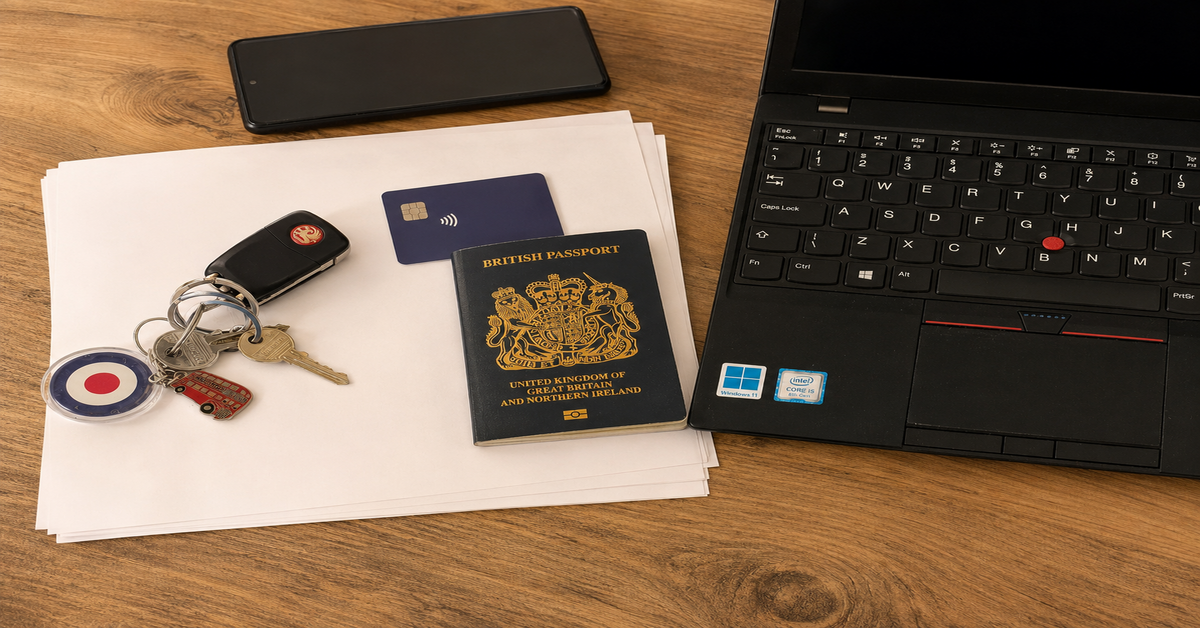
Before travelling, keep digital and printed copies of your most important documents.
This may include your passport, visa decision details, eVisa or UKVI account information, employment contract, university offer letter, accommodation details, marriage or birth certificates if moving with family, and any medical or school records you may need.
💡 A Quick Note from Kris: Keep these documents somewhere easy to access. You may need them for work, study, renting, banking, school applications, healthcare registration or future visa applications.
English Language Requirement
Some UK visa, settlement and citizenship applications require proof of English language ability.
The exact rule depends on the route you are applying under. Some applicants need an approved English test, while others may be able to use a degree taught in English or qualify for an exemption.
If you are still preparing your application, check the requirement before booking a test or paying for documents.
👉 UK English Language Requirement
Money and Banking
Planning your finances before moving is one of the most important practical steps.
You may need money for temporary accommodation, transport, food, your first rental deposit, first month’s rent, household items, phone setup and early travel costs. Your first month in the UK can be more expensive than a normal month because many setup costs arrive at the same time.
You should also think about how you will access money before your UK bank account is fully set up. Some new arrivals use international cards or money transfer services temporarily, then open a UK account once they have proof of address.
💡 A Quick Note from Kris: I would always keep a financial buffer for the first few weeks. Even if you have a job or university place arranged, it can take time to set up banking, salary payments and regular bills.
Useful guides:
👉 Banking in the UK for New Arrivals
👉 Moving Money to the UK
👉 Insurance for New Arrivals in the UK
Phone and Mobile Setup
Getting a UK phone number is one of the first practical steps after arrival.
A local number can help with job applications, landlords, banks, delivery services, GP registration and everyday accounts. It can also make you easier to contact while viewing properties or speaking with employers.
For most new arrivals, a pay-as-you-go SIM or eSIM is usually the simplest first option. You can always move to a longer-term mobile contract later once you have a UK address and bank account.
Accommodation Planning
It is usually best to arrange temporary accommodation before you arrive, even if you plan to look for a longer-term rental later.
This gives you time to understand the area, check transport links, compare rental prices and avoid rushing into a tenancy. The UK rental market can move quickly, especially in larger cities, so having somewhere temporary for your first few weeks can reduce stress.
I would avoid choosing long-term accommodation based only on photos or price. If possible, use temporary accommodation first, then view areas properly before committing.
Moving Your Belongings
Some people move to the UK with only a suitcase, while others need to ship furniture, personal items or equipment.
Before deciding what to bring, compare the cost of shipping with the cost of buying items again in the UK. It may be easier to bring important personal items and documents, then buy everyday household items after arrival.
Useful guides:
Moving to the UK with Pets
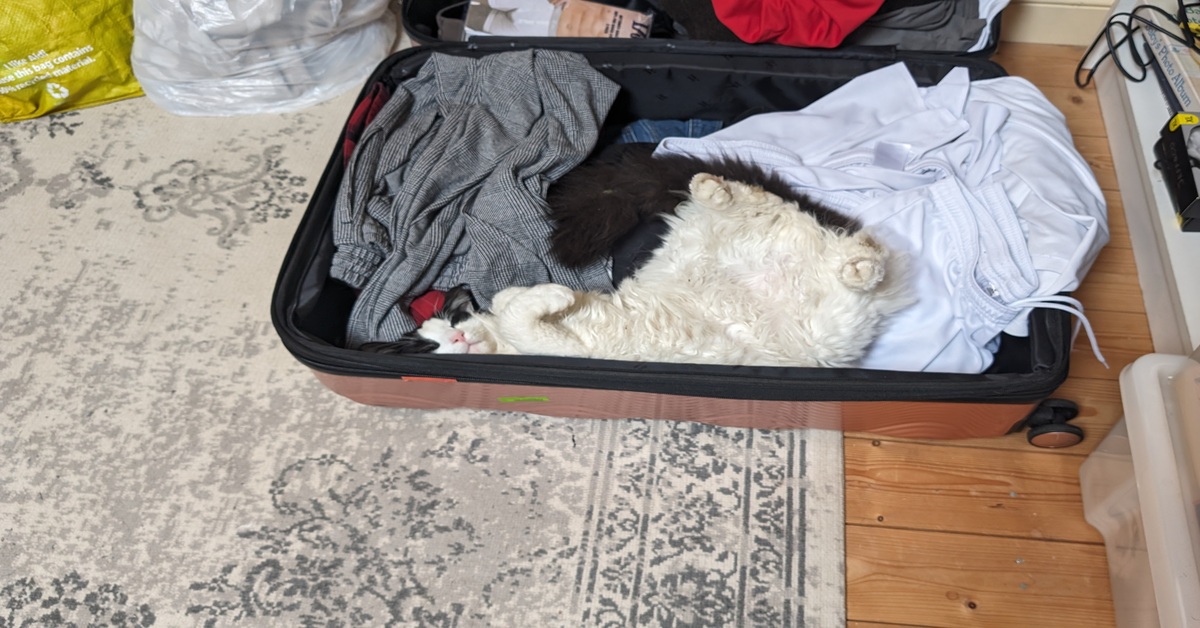
If you are bringing a dog, cat or another pet, this needs planning well before you travel.
Pet travel rules can involve documents, vaccinations, approved travel routes and timing requirements. You may also need to think about pet-friendly accommodation, transport from the airport and local vet registration after arrival.
💡 A Quick Note from Kris: Pets can make accommodation harder, so I would research rental options early if you are bringing one with you.
Useful guides:
After You Arrive
Your first few weeks in the UK are about turning your plans into everyday life.
This usually means getting connected, setting up banking, registering for healthcare, finding longer-term accommodation, understanding local costs and building a basic routine.
You do not need to do everything immediately, but the order matters. Phone, banking, accommodation, healthcare and budget planning should usually come before less urgent tasks.
You can start with these guides:
What I’d Do First
If I was planning a move to the UK, I would start by organising documents, temporary accommodation, access to money and a simple first-week plan.
Once in the UK, I would focus on getting a UK number, opening a bank account, registering with a GP, understanding local transport and starting the search for longer-term accommodation.
The move becomes much easier when you deal with the essentials first instead of trying to solve everything at once.
Want Practical UK Relocation Updates?
Join the newsletter for clear, no-nonsense guidance on visas and settling in the UK.
More Planning Guides
Insurance for New Arrivals in the UK
Insurance is one of those UK life admin tasks that many new arrivals do not think about until something goes wrong. When you first move to the UK, you may be focused on your visa, job, accommodation, bank account and phone number. But insurance can also be important, especially if you are renting, driving, bringing […]
Moving to the UK With Pets
Moving to the UK with pets takes extra planning, but it can be done if you understand the rules early. For many people, pets are part of the family. If you are bringing a cat or dog to the UK, you need to think about travel documents, vaccinations, approved routes, transport options, costs and where […]

Shipping to the UK
Shipping your belongings to the UK can be one of the biggest practical decisions when planning a move. Some new arrivals travel light with suitcases, while others send boxes, furniture, household items or larger shipments through an international removals company. The best option depends on your budget, timeline, family size, accommodation plans and how long […]
Moving Money to the UK
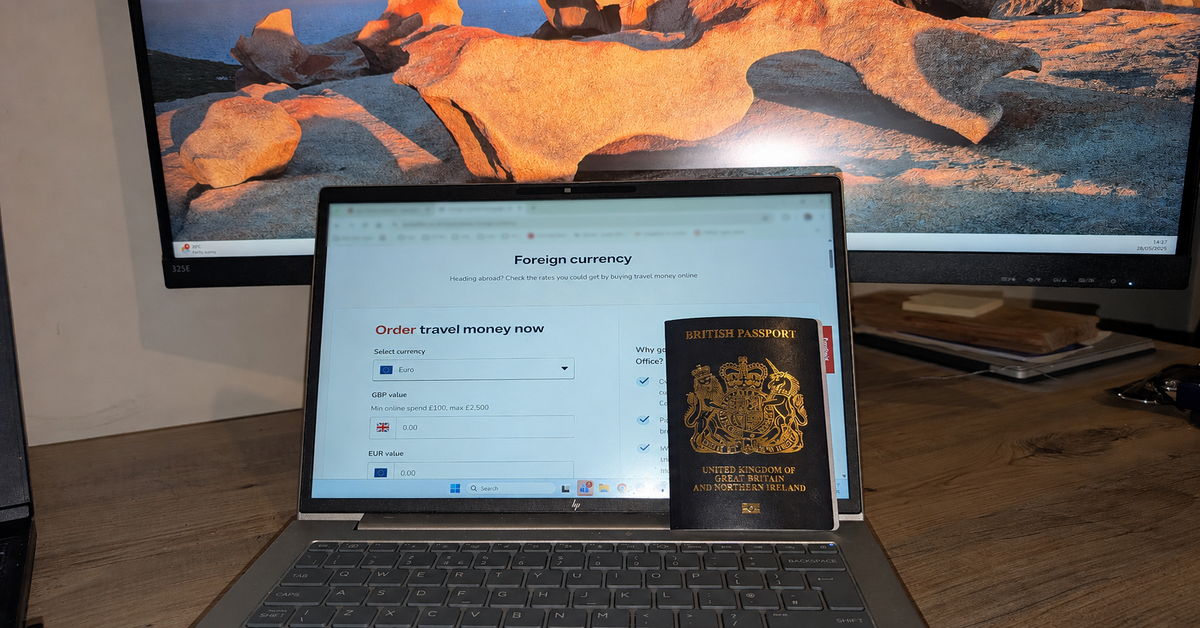
Moving money to the UK is one of the most important financial steps when planning your relocation. You may need to transfer savings for rent, deposits, tuition fees, visa costs, travel, furniture, everyday spending or your first few months before receiving UK income. There are several ways to move money to the UK, including international […]

Banking in the UK for New Arrivals
Opening a UK bank account is one of the most useful steps after moving to the UK. A UK account can help you receive wages, pay rent, set up direct debits, use a debit card, build a financial footprint and manage everyday spending. For new arrivals, the main challenge is usually proving your identity and […]

UK Universities Map and Affordable Universities in the UK
If you’re planning to study in Britain, using a UK universities map is one of the best ways to understand where different universities are located and what each region has to offer. Whether you’re comparing campuses in London, Scotland, or the North of England, the map helps you visualise your options before applying. At the […]

How to Get a UK Number [for Work, Study or Travel]
If you’re planning to move to the UK, one of the first practical things you’ll need is a UK phone number. A local number makes everyday life much easier, from applying for jobs and renting accommodation to opening a bank account and receiving important verification texts. In this guide, you’ll learn how UK numbers work, […]

Can I Buy a Car on Finance in the UK on a Visa? Just Moved to the UK
🚗 Can You Buy a Car on Finance in the UK on a Visa? Relocating to the UK often means starting fresh, a new home, a new job, and new transport needs. For many newcomers, the ability to buy a car on finance in the UK is essential for commuting, family life, and settling in […]