
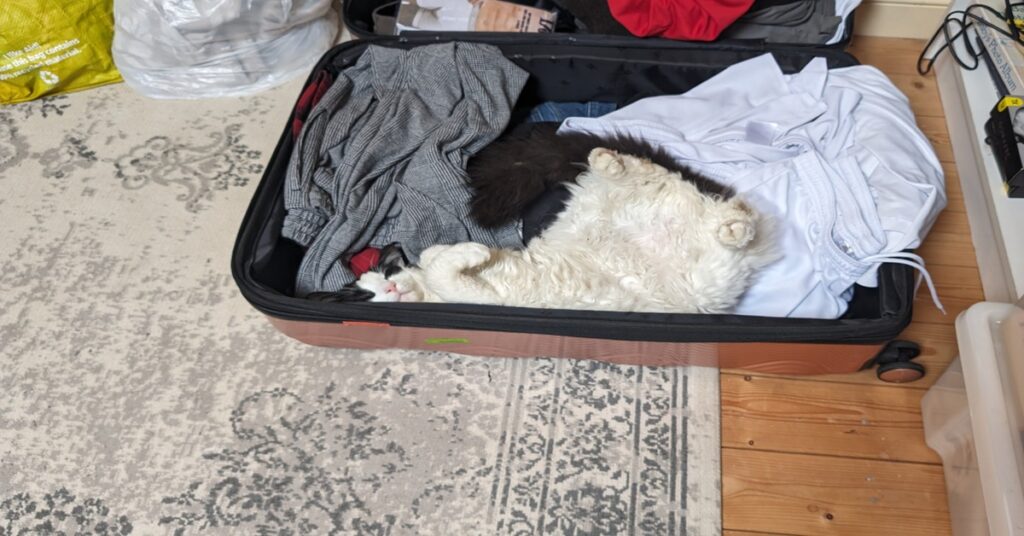
Moving to the UK with pets takes extra planning, but it can be done if you understand the rules early.
For many people, pets are part of the family. If you are bringing a cat or dog to the UK, you need to think about travel documents, vaccinations, approved routes, transport options, costs and where your pet will live once you arrive.
The UK has specific rules for bringing pets into Great Britain. GOV.UK says dogs, cats and ferrets usually need to travel on an approved route, be microchipped, be vaccinated against rabies, have the correct pet travel document, and dogs may need tapeworm treatment before arrival.
This guide explains the main things to consider when moving to the UK with pets, including documents, costs, travel options, renting with pets and common mistakes to avoid.
Who This Guide Is For
This guide is for people planning to move to the UK with a pet.
It may help if you are bringing a dog, cat or ferret to the UK for work, study, family, youth mobility, graduate routes or long-term relocation.
It is also useful if you are trying to decide whether to arrange pet travel yourself or use a pet relocation company.
💡 A Quick Note from Kris: I would start planning your pet’s move early. It is not something I’d leave until flights and accommodation are already booked, because one missing document or timing issue can cause a lot of stress.
What Pets Can You Bring to the UK?
The most common pets people bring to the UK are cats and dogs.
GOV.UK also covers ferrets under the standard pet travel rules for entering Great Britain. Other animals, such as rabbits, birds, reptiles, rodents or fish, may have different rules. GOV.UK says you can bring up to 5 pets to Great Britain, including dogs, cats, ferrets and several other pet types, but extra rules apply if you bring more than 5 pets.
For most new arrivals, the main focus will be bringing a cat or dog. The process is manageable, but it needs to be organised properly.
Main Requirements for Bringing a Pet to the UK
The main requirements depend on the pet, country of travel and route used.
For dogs, cats and ferrets entering Great Britain, GOV.UK says you must usually:
- check your route is approved for pet travel
- microchip your pet
- vaccinate your pet against rabies
- get the correct pet travel document from a vet
- arrange tapeworm treatment for dogs if required
- complete a declaration if you are not going to sell or transfer ownership of the pet
The exact requirements can vary depending on where you are travelling from, so always check the latest GOV.UK guidance before booking pet travel.
Microchip and Rabies Vaccination
A microchip is one of the first things to organise.
GOV.UK says your pet must be microchipped before, or at the same time as, its rabies vaccination. If this is not done in the correct order, your pet may need to be vaccinated again.
Your pet will also usually need a valid rabies vaccination. GOV.UK says you must wait at least 21 full days after the first rabies vaccination, or the last vaccination in the first course, before travelling to Great Britain. Depending on the country you are travelling from, a rabies blood test may also be needed.
This is why timing matters. If you leave the vaccination or paperwork too late, your own travel may be ready before your pet is allowed to enter the UK.
Pet Travel Documents
Most pets entering the UK need official travel paperwork.
The type of document depends on where you are travelling from. GOV.UK says pets travelling from Northern Ireland, the Channel Islands or the Isle of Man do not need a pet passport or health certificate to enter Great Britain, but pets from the rest of the world may need different documents depending on the country category.
A Great Britain pet health certificate can be used to enter Great Britain from any country, but it must be completed, signed, stamped and dated by an official veterinarian.
Do not assume normal vet records are enough. You usually need the correct travel-specific paperwork.
Tapeworm Treatment for Dogs
If you are bringing a dog to Great Britain, tapeworm treatment may be required.
GOV.UK says the tapeworm treatment must be given no less than 24 hours before entering Great Britain and no more than 5 days, or 120 hours, before arrival.
This timing is important. If the treatment is done too early or too late, it can cause travel problems.
This requirement does not usually apply to cats, but always check the latest rules for your specific pet and route.
Travelling to the UK With Your Pet
Pets must usually travel using an approved route and transport provider.
Your options may include air travel, ferry routes, car travel through an approved route, or a specialist pet relocation service. The best option depends on where you are travelling from, your budget, your pet’s size and temperament, and whether your airline or transport provider accepts pets.
Some people arrange everything themselves, while others use a pet relocation company.
A pet relocation company may be useful if:
- you are moving from far away
- the paperwork feels complicated
- your pet needs a specific route
- you are moving with children or lots of luggage
- you want help with timing, documents and transport
💡 A Quick Note from Kris: Personally, I think pet relocation is one of the areas where paying for help can be worth it if the move is already complicated. It is not always necessary, but it can reduce stress if you are juggling visas, housing, flights and work at the same time.
How Much Does It Cost to Move to the UK With a Pet?
The cost of moving to the UK with a pet can vary a lot.
Typical costs may include:
- microchipping
- rabies vaccination
- vet appointments
- animal health certificate or travel document
- tapeworm treatment for dogs if required
- airline or ferry fees
- pet travel crate
- pet relocation company fees
- insurance
- onward travel after arrival
For some people, pet travel may be relatively affordable. For others, especially if using air travel or a specialist relocation service, it can become one of the bigger costs of the move.
I would include pet travel in your relocation budget from the beginning rather than treating it as a small extra cost at the end.
Should You Use a Pet Relocation Company?
You do not always need to use a pet relocation company, but it can be useful.
If you are confident with paperwork, have a simple route and understand the rules, you may be able to arrange the move yourself.
A pet relocation company may be more useful if you want support with approved routes, airline rules, travel crates, vet documents, customs checks and timing.
Before choosing a company, check reviews, what is included, whether they understand the UK entry rules, and what happens if there are delays.
Once affiliate links are introduced on this page, this would be a natural place to add a clearly disclosed comparison or partner section for pet relocation services.
Renting in the UK With Pets
If you are moving to the UK with a pet, accommodation can be one of the biggest practical issues.
Some UK landlords allow pets, but others do not. Even if a property looks suitable, the tenancy agreement may include restrictions.
Before signing a rental agreement, check:
- whether pets are allowed
- whether there are size or breed restrictions
- whether extra cleaning terms apply
- whether the building allows pets
- whether there is suitable outdoor space nearby
- whether the property is safe for your pet
If you are staying in temporary accommodation first, check the pet policy before booking.
💡 A Quick Note from Kris: I would never assume a rental property is pet-friendly unless it is confirmed in writing. Pets can make the rental search harder, so it is worth starting early.
Helping Your Pet Settle After Arrival
After your pet arrives in the UK, the next step is helping them settle.
Your pet may need time to adjust to a new home, new smells, different weather and a different routine.
Useful first steps include:
- registering with a local vet
- updating contact details on the microchip
- getting a UK ID tag if needed
- finding local parks or walking routes
- keeping familiar bedding or toys nearby
- checking pet insurance options
- creating a quiet space in the home
Small familiar items can make a big difference. If possible, bring your pet’s usual blanket, toy or bed so the new place feels less unfamiliar.
Common Mistakes to Avoid
A common mistake is leaving pet travel planning too late. Microchips, rabies vaccinations, health certificates and route checks all take time.
Another mistake is assuming every airline or ferry route accepts pets. You need to check approved routes and transport provider rules before booking.
Some people also underestimate the cost. Pet travel can involve vet fees, documents, carriers, transport, insurance and relocation company fees.
Another issue is renting. Do not wait until arrival to think about pet-friendly accommodation, because it can limit your options.
It is also important to check the paperwork carefully. Microchip numbers, vaccination dates, names and travel documents need to match.
Moving to the UK With Pets Checklist
Before moving to the UK with a pet, check:
- pet entry rules for your country
- microchip details
- rabies vaccination timing
- rabies blood test if required
- pet travel document
- tapeworm treatment for dogs if required
- approved travel route
- airline, ferry or transport provider rules
- pet crate or carrier requirements
- pet-friendly accommodation
- local vet options in the UK
- travel insurance or pet insurance
- backup plan if travel is delayed
💡 A Quick Note from Kris: I would pack a small pet arrival kit with food, medication, documents, bedding, a familiar toy and anything your pet needs for the first few days.
Moving to the UK With Pets FAQs
🐶 Can I bring my dog to the UK?
Yes, you can usually bring a dog to the UK if you follow the pet travel rules. This usually includes microchipping, rabies vaccination, the correct travel document and tapeworm treatment if required.
🐱 Can I bring my cat to the UK?
Yes, cats can usually be brought to the UK if they meet the entry requirements, including microchipping, rabies vaccination and the correct travel document.
💉 Does my pet need a rabies vaccination for the UK?
In most cases, yes. Dogs, cats and ferrets usually need a valid rabies vaccination before entering Great Britain.
📄 What documents do I need to bring a pet to the UK?
The document depends on where you are travelling from. You may need a pet passport, animal health certificate or Great Britain pet health certificate.
✈️ Can pets fly into the UK?
Yes, pets can enter the UK by air if they use an approved route and transport provider. Always check the airline and UK entry rules before booking.
💷 How much does it cost to move to the UK with a pet?
Costs vary depending on your country, transport method, vet requirements and whether you use a pet relocation company. Budget for vet fees, documents, transport, crates and possible insurance.
🏠 Can I rent in the UK with a pet?
Sometimes, but it depends on the landlord, property and tenancy agreement. Always confirm pet permission before signing a rental contract.
🐾 Can I bring more than one pet to the UK?
Yes, but extra rules can apply. GOV.UK says you can bring up to 5 pets to Great Britain, but if you bring more than 5 pets you must follow extra rules.
Related Guides
If you are planning your UK move with pets, these guides may also help:
- 👉 Planning Your Move to the UK
- 👉 Shipping to the UK
- 👉 Renting in the UK as a New Arrival
- 👉 Cost of Living in the UK
- 👉 First 90 Days in the UK
- 👉 Banking in the UK for New Arrivals
- 👉 Moving Money to the UK
Have questions or want help choosing the right visa? Subscribe or explore more articles on UK visas and immigration tips.
More Planning Guides
Insurance for New Arrivals in the UK
Insurance is one of those UK life admin tasks that many new arrivals do not think about until something goes wrong. When you first move to the UK, you may be focused on your visa, job, accommodation, bank account and phone number. But insurance can also be important, especially if you are renting, driving, bringing […]
Moving to the UK With Pets
Moving to the UK with pets takes extra planning, but it can be done if you understand the rules early. For many people, pets are part of the family. If you are bringing a cat or dog to the UK, you need to think about travel documents, vaccinations, approved routes, transport options, costs and where […]

Shipping to the UK
Shipping your belongings to the UK can be one of the biggest practical decisions when planning a move. Some new arrivals travel light with suitcases, while others send boxes, furniture, household items or larger shipments through an international removals company. The best option depends on your budget, timeline, family size, accommodation plans and how long […]
Moving Money to the UK
Moving money to the UK is one of the most important financial steps when planning your relocation. You may need to transfer savings for rent, deposits, tuition fees, visa costs, travel, furniture, everyday spending or your first few months before receiving UK income. There are several ways to move money to the UK, including international […]

Banking in the UK for New Arrivals
Opening a UK bank account is one of the most useful steps after moving to the UK. A UK account can help you receive wages, pay rent, set up direct debits, use a debit card, build a financial footprint and manage everyday spending. For new arrivals, the main challenge is usually proving your identity and […]

UK Universities Map and Affordable Universities in the UK
If you’re planning to study in Britain, using a UK universities map is one of the best ways to understand where different universities are located and what each region has to offer. Whether you’re comparing campuses in London, Scotland, or the North of England, the map helps you visualise your options before applying. At the […]

How to Get a UK Number [for Work, Study or Travel]
If you’re planning to move to the UK, one of the first practical things you’ll need is a UK phone number. A local number makes everyday life much easier, from applying for jobs and renting accommodation to opening a bank account and receiving important verification texts. In this guide, you’ll learn how UK numbers work, […]

Can I Buy a Car on Finance in the UK on a Visa? Just Moved to the UK
🚗 Can You Buy a Car on Finance in the UK on a Visa? Relocating to the UK often means starting fresh, a new home, a new job, and new transport needs. For many newcomers, the ability to buy a car on finance in the UK is essential for commuting, family life, and settling in […]