
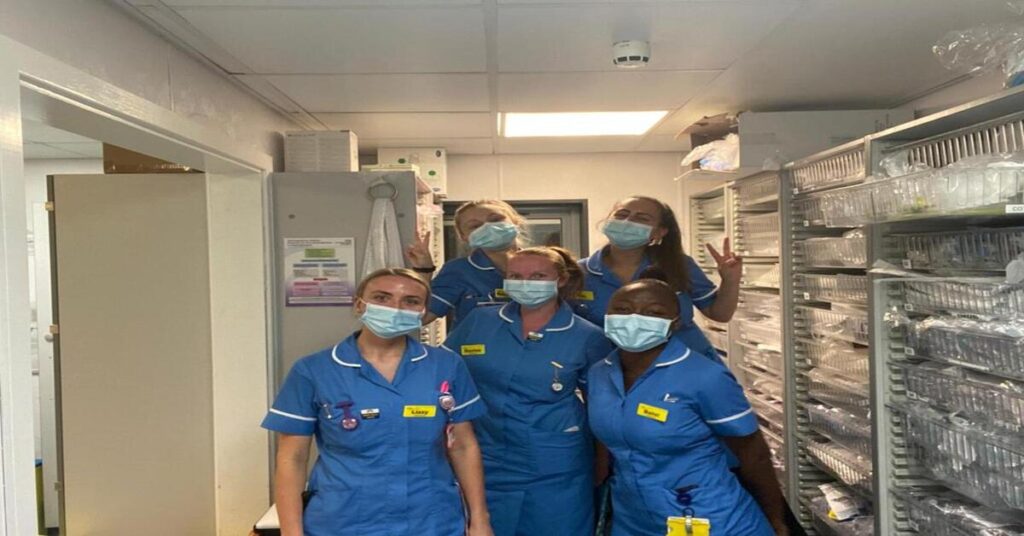
Overview
The Health and Care Worker Visa allows eligible medical, health and adult social care professionals to come to the UK, or stay in the UK, to work in an approved health or care role.
It is part of the Skilled Worker route but has some important differences, including lower application fees and no Immigration Health Surcharge for eligible applicants.
To qualify, you usually need a job offer from an approved UK health or adult social care employer, a Certificate of Sponsorship, an eligible occupation code, and pay that meets the salary rules for your role.
This article is for general information only and is not immigration advice. Emigrate To The UK is not regulated by the Immigration Advice Authority. Always check GOV.UK or speak to a qualified immigration adviser before applying.
📌 Key facts at a glance
Route type: Sponsored work visa for eligible health and adult social care roles.
Job offer required: Yes. You need a confirmed job offer before applying.
Approved employer required: Yes. Your employer must be approved by the Home Office. This can include the NHS, an NHS supplier, or an eligible adult social care organisation.
Certificate of Sponsorship: Required. Your employer assigns this before you apply.
Eligible occupation: You must work in an eligible health or adult social care job.
Salary requirement: You must usually be paid at least the minimum salary or going rate for your role, whichever is higher.
English requirement: Most new applicants now need to prove English at B2 CEFR. Some people extending or updating older Health and Care Worker permission may still be covered by B1 rules.
Immigration Health Surcharge: You do not pay the Immigration Health Surcharge on this route.
Length of stay: Permission can be granted for up to 5 years at a time.
Settlement: This route can lead to ILR after 5 years if you meet the rules.
- Overview
- 📌 Key facts at a glance
- 🎯 Who This Visa Is Best For
- ✅ Health and Care Worker Visa Eligibility
- 💷 Salary Rules and Eligible Occupations
- 🧾 Certificate of Sponsorship
- 🗣️ English Language Requirement
- 👨👩👧 Can You Bring Family?
- 🏠 Does the Health and Care Worker Visa Lead to ILR or British Citizenship?
- 💰 Health and Care Worker Visa Cost
- 📃 Documents You May Need
- 🧭 How to Apply for a Health and Care Worker Visa
- ⏱️ UK Health and Care Visa Processing Time
- 📎 Conditions, Changes and Extra Work
- ✈️ What Happens After Approval?
- ⚠️ Common Mistakes to Avoid
- ❓ Health and Care Worker Visa FAQs
- Do I need a job offer from an approved employer?
- Do I need a Certificate of Sponsorship?
- What English level do I need?
- Do I pay the Immigration Health Surcharge?
- Can my family come with me?
- Does the Health and Care Worker Visa lead to ILR?
- How much does the Health and Care Worker Visa cost?
- How long does the decision take?
- 🔗 Related Guides
- More Work Visa Guides
🎯 Who This Visa Is Best For
The Health and Care Worker Visa is best for qualified health professionals and eligible adult social care workers who have a job offer from an approved UK employer.
It is commonly used by doctors, nurses, healthcare professionals, care workers, senior care workers and other eligible health or social care staff.
This route may be especially useful if you want a sponsored job in the UK and your role falls within the health or care sector.
💡 A Quick Note from Kris: I would check the occupation code and sponsor first. In health and care, the exact job code matters because salary rules, dependant rules and employer requirements can vary depending on the role.
✅ Health and Care Worker Visa Eligibility
To qualify for the Health and Care Worker Visa, you usually need to meet several core requirements.
You must be a qualified doctor, nurse, health professional or adult social care professional. Your job must be eligible for this visa, and you must work for a UK health or care sector employer approved by the Home Office.
You also need a Certificate of Sponsorship from your employer. This confirms the role you have been offered, including the job title, salary, occupation code and start date.
Your salary must meet the minimum requirement for your role. You must also meet the English language requirement and provide any documents that apply to your situation, such as a tuberculosis test or criminal record certificate where required.
💷 Salary Rules and Eligible Occupations
Your job must be eligible for the Health and Care Worker Visa and must meet the correct salary rules.
In general, you must be paid the minimum salary or the going rate for the type of work you will be doing, whichever is higher. Your employer also needs to make sure your pay follows minimum wage rules and working hour requirements.
Some health and care roles have different salary rules. For example, GOV.UK says certain occupation codes, including care workers, senior care workers, laboratory technicians and some health management roles, have separate salary requirements. For many of these roles, the salary is usually at least £31,300 per year or the lower going rate for the job, whichever is higher.
Because health and care salary rules can vary by occupation code, always check the job code, salary and going rate before relying on a job offer.
Common mistake: Assuming all health and care jobs use the same salary threshold. The occupation code can change the rule that applies.
🧾 Certificate of Sponsorship
A Certificate of Sponsorship, often called a CoS, is a digital record issued by your UK employer.
It is not a paper certificate. It contains key information about your job, including your role, salary, occupation code, employer and start date. You use the CoS reference number when completing your visa application.
Your employer must be approved by the Home Office before they can sponsor you. If you are a care worker or senior care worker in England and you change employer, your new employer must be registered with the Care Quality Commission.
🗣️ English Language Requirement
Most Health and Care Worker Visa applicants need to prove their knowledge of English.
GOV.UK currently says most new applicants need to prove English at B2 CEFR in reading, writing, speaking and understanding. You may be able to prove this through an approved English test, an eligible qualification, a UK school qualification, a degree taught in English, or nationality from an exempt country.
If you had this visa before 8 January 2026 and are applying to extend or update it, GOV.UK says you need B1 English and do not need to prove your knowledge of English again. If you are switching from a Skilled Worker Visa, you also usually do not need to provide proof again.
Useful guide:
👉 UK English Language Requirement
👨👩👧 Can You Bring Family?
Your partner and children may be able to apply as dependants, but the rules are not the same for every health and care role.
GOV.UK says a dependant partner or child can include your husband, wife, civil partner, unmarried partner, child under 18, or child over 18 if they already have permission to be in the UK as your dependant. Their visa will usually end on the same date as yours.
However, dependant rules have become more restricted for some care roles. Care workers and senior care workers are especially affected, so you should check your occupation code and current family rules before assuming your partner or children can come with you.
If you are moving with family, budget carefully. Even though the Health and Care Worker route does not require the Immigration Health Surcharge, dependants still need to meet the relevant application and financial requirements.
🏠 Does the Health and Care Worker Visa Lead to ILR or British Citizenship?
Yes, the Health and Care Worker Visa can lead to Indefinite Leave to Remain.
In many cases, you may be able to apply for ILR after 5 years on this route, as long as you meet the residence, salary, sponsorship, English, Life in the UK and other requirements at the time you apply.
After ILR, some people later apply for British citizenship if they meet the naturalisation requirements.
💡 A Quick Note from Kris: If your long-term goal is settlement, keep records from the start. Payslips, employment letters, addresses, travel dates, visa documents and sponsor details may all become useful later.
💰 Health and Care Worker Visa Cost
The Health and Care Worker Visa has lower application fees than the general Skilled Worker route.
GOV.UK currently lists the application fee as £324 per person for up to 3 years, or £628 per person for more than 3 years. The fee is the same whether you apply from inside or outside the UK.
You do not pay the Immigration Health Surcharge on this route, which can make it significantly cheaper than many other work visas.
You will usually need at least £1,270 in savings unless you are exempt. You may not need to show this if you have been in the UK with a valid visa for at least 12 months, or if your employer certifies maintenance on your Certificate of Sponsorship.
Remember to budget for dependants, travel, accommodation and your first month in the UK.
📃 Documents You May Need
The documents you need depend on your role and circumstances, but most Health and Care Worker Visa applicants need several core details.
You will usually need your Certificate of Sponsorship reference number, proof of English language ability, a valid passport or identity document, your job title and salary, your occupation code, and your employer’s name and sponsor licence number.
Depending on your situation, you may also need evidence of savings, tuberculosis test results, proof of relationship for dependants, a criminal record certificate for certain jobs, a PhD certificate or Ecctis reference if relevant, and certified translations for documents not in English or Welsh.
Criminal record certificates are especially important for many health and care roles, so check this early if you are applying from outside the UK.
🧭 How to Apply for a Health and Care Worker Visa
You apply online through the Skilled Worker application process and confirm that you are applying under the Health and Care Worker route.
Before applying, check that your employer is approved, your job is eligible, your salary meets the rules, and your Certificate of Sponsorship details are correct.
You then complete the online application, pay the visa fee and prove your identity. Depending on your passport and circumstances, you may use the UK Immigration: ID Check app or attend a visa application centre for biometrics.
After you submit your application, wait for a decision before travelling or starting a new sponsored role where an update is required.
⏱️ UK Health and Care Visa Processing Time
Health and Care Worker Visa decisions are usually made within around 3 weeks if you apply from outside the UK, after you apply online, prove your identity and provide your documents.
If you apply from inside the UK, decisions are usually around 8 weeks.
Processing can take longer if documents need checking, you need to attend an interview, or your circumstances are more complex.
📎 Conditions, Changes and Extra Work
A Health and Care Worker Visa is linked to your sponsored role.
You can work for your sponsor in the job listed on your Certificate of Sponsorship. Some additional work may be allowed, but you must stay within your visa conditions.
If you change employer, move into a different occupation code, or need to add certain second jobs, you may need to update your visa before starting the new role.
If you are extending your visa, GOV.UK says you usually need the same job, same occupation code, same employer and to continue meeting the salary requirements. You must not travel outside the UK, Ireland, the Channel Islands or the Isle of Man while waiting for a decision, or your application may be withdrawn.
✈️ What Happens After Approval?
Once your Health and Care Worker Visa is approved, you can work in the UK for your sponsoring employer in the role listed on your Certificate of Sponsorship.
Your next steps are usually practical ones. You may need to check your eVisa, arrange travel, find accommodation, set up a UK phone number, open a bank account, register with a GP and understand your monthly costs.
If you want to stay in the UK long term, start keeping records from the beginning. Employment letters, payslips, addresses, travel dates, visa documents and sponsor details may be useful later if you apply for ILR.
Useful guides:
👉 First 90 Days in the UK
👉 Settling in the UK
👉 Renting in the UK
👉 Cost of Living in the UK
👉 NHS Jobs for Nurses
⚠️ Common Mistakes to Avoid
A common mistake is assuming that every healthcare or care job qualifies for this visa. The role must be eligible, the employer must be approved, and the salary must meet the correct rules.
Another mistake is not checking the occupation code. In health and care, the code can affect salary rules, dependant rights and employer requirements.
Some applicants also assume they can automatically bring family members. This is not always the case, especially for some care worker and senior care worker roles.
It is also important to budget properly. The Health and Care Worker route avoids the Immigration Health Surcharge, but you may still need application fees, savings, travel costs, accommodation money and dependant costs.
❓ Health and Care Worker Visa FAQs
Do I need a job offer from an approved employer?
Yes. You need a confirmed job offer from an approved UK health or adult social care employer before applying.
Do I need a Certificate of Sponsorship?
Yes. Your employer must assign you a Certificate of Sponsorship before you apply.
What English level do I need?
Most new applicants now need B2 CEFR English. Some people extending or updating older Health and Care Worker permission may be covered by B1 rules.
Do I pay the Immigration Health Surcharge?
No. Health and Care Worker Visa applicants do not pay the Immigration Health Surcharge.
Can my family come with me?
It depends on your role and circumstances. Some health and care workers can bring dependants, but rules are restricted for some care roles.
Does the Health and Care Worker Visa lead to ILR?
Yes, it can lead to ILR after 5 years if you meet the requirements.
How much does the Health and Care Worker Visa cost?
The application fee is currently £324 for up to 3 years or £628 for more than 3 years. You may also need to show savings unless exempt.
How long does the decision take?
It is usually around 3 weeks from outside the UK and around 8 weeks from inside the UK after you apply, prove your identity and provide your documents.
🔗 Related Guides
If you are planning to apply for a Health and Care Worker Visa, these guides may also help:
👉 Work in the UK
👉 Types of Work Visas UK
👉 Skilled Worker Visa
👉 How to Work as a Nurse in the UK
Have questions or want help choosing the right visa? Subscribe or explore more articles on UK visas and immigration tips.
More Work Visa Guides
How to Work as a Nurse in the UK: Visa, Jobs and NMC Registration
If you want to work as a nurse in the UK, you will usually need two things: professional registration with the Nursing and Midwifery Council (NMC) and the right visa or immigration status. For many overseas nurses, the main route is the Health and Care Worker visa. This allows eligible healthcare professionals to live and […]

Shortage Occupation List UK: What Replaced It in 2026?
The Shortage Occupation List UK was once the main list used to identify jobs where UK employers faced recruitment difficulties. It was replaced by the Immigration Salary List in April 2024, and the current system now also includes the Temporary Shortage List for certain medium-skilled occupations. Many people still search for the old Shortage Occupation […]

UK Visa Fees for Nigerians: Visitor, Student, Work and Family Costs
Understanding UK visa fees for Nigerians is an important part of planning a visit, study programme, job move or family application to the United Kingdom. The amount you pay depends on the visa route, how long the visa lasts and whether you are applying alone or with family members. Many applicants must also budget for […]
How to Move to the UK Without a Job: Visa Routes Explained
Learning how to move to the UK without a job starts with understanding which immigration routes do not require employer sponsorship. Your options will depend on factors such as your age, nationality, qualifications, family connections, professional background and study plans. Some people may qualify through the Youth Mobility Scheme, India Young Professionals Scheme, High Potential […]

Carer Jobs in UK with Visa Sponsorship: 2026 Rules and Alternatives
Carer jobs in UK with visa sponsorship have changed significantly. In the past, many overseas applicants used the Health and Care Worker visa to move to the UK as care workers or senior care workers. However, from 22 July 2025, the UK immigration route for care workers and senior care workers closed to new applications […]

Immigration Salary List UK: Jobs, Salaries & Work Visa Guide
The Immigration Salary List UK shows specific jobs that may qualify for a lower salary threshold under the Skilled Worker route. Being on the list can help with salary eligibility, but it does not guarantee a visa or a sponsored job offer. The list includes a mix of roles across sectors such as construction, healthcare […]

UK Work Visa from India: Shortage Occupations and How to Apply
The UK work visa from India is one of the most common routes for Indian professionals looking to live and work in the United Kingdom. Each year thousands of Indian citizens move to the UK for employment opportunities in sectors such as healthcare, technology, finance, and engineering. However, applying for a UK Work Visa from […]

Family Visa UK: Requirements, Costs and How to Apply
Bringing your loved ones together is one of the most important reasons people apply for a UK visa. The Family Visa UK is designed to let you live in Britain with your partner, children, or parents if they are already settled in the country. For couples, this includes the fiancé visa, spouse visa, and the […]