
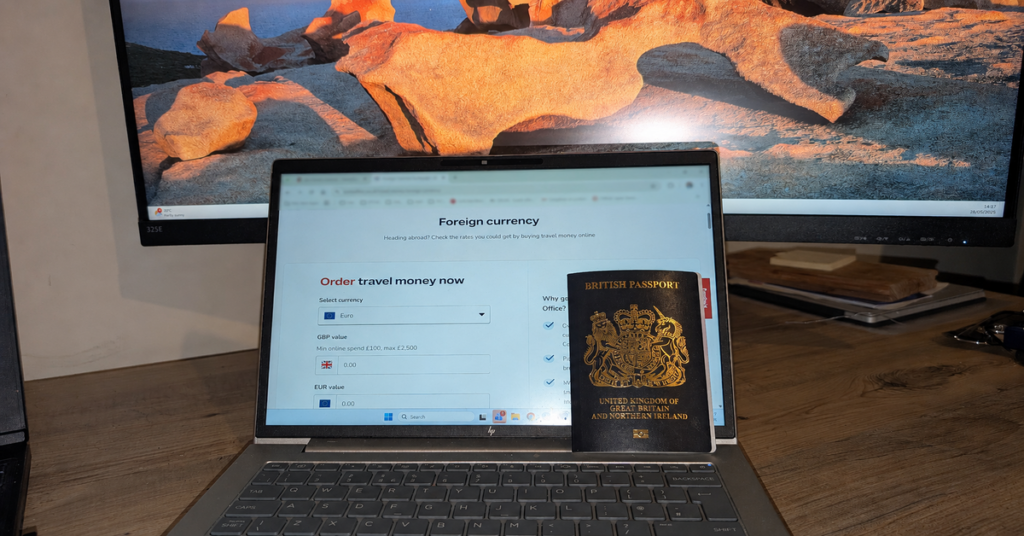
Moving money to the UK is one of the most important financial steps when planning your relocation.
You may need to transfer savings for rent, deposits, tuition fees, visa costs, travel, furniture, everyday spending or your first few months before receiving UK income.
There are several ways to move money to the UK, including international bank transfers, money transfer services and multi-currency accounts. The best option depends on where you are sending money from, how much you are transferring, how quickly you need it and the total cost after fees and exchange rates.
This guide explains the main options, what to watch out for, and how to avoid common mistakes when transferring money to the UK.
- Who This Guide Is For
- Ways to Move Money to the UK
- Bank Transfers vs Money Transfer Services
- Exchange Rates and Transfer Fees
- When to Transfer Money Before Moving
- How Much Money Should You Bring?
- Safety Tips When Transferring Money
- Common Mistakes to Avoid
- Moving Money to the UK Checklist
- Moving Money to the UK FAQs
- 💷 What is the best way to move money to the UK?
- 🏦 Can I transfer money to a UK bank account before I arrive?
- 🌍 Are money transfer services cheaper than banks?
- ⏱️ How long does it take to transfer money to the UK?
- 💳 Should I bring cash to the UK?
- ⚠️ What should I watch out for?
- 📈 Can exchange rates change?
- Related Guides
- Latest Articles
Who This Guide Is For
This guide is for people moving to the UK for work, study, family, youth mobility, graduate routes or long-term relocation.
It may help if you need to bring savings to the UK, pay rent or a deposit, support yourself before starting work, or move money between your home country and a UK bank account.
💡 A Quick Note from Kris: I would not leave money transfers until the last minute. Rent deposits, temporary accommodation, transport, food and setup costs can come quickly after arrival, so it helps to have a plan before you land.
Ways to Move Money to the UK
There are a few common ways to transfer money to the UK.
One option is an international bank transfer from your overseas bank account to a UK bank account. This can be simple if you already have both accounts set up, but costs and exchange rates can vary.
Another option is to use a money transfer service. These services are often designed for international transfers and may show the exchange rate, fee and amount received before you send the money.
A third option is a multi-currency account. This may allow you to hold different currencies, exchange money when needed and spend in pounds once you are in the UK.
Some people also bring a small amount of cash or use an international card temporarily, but this should usually be a backup rather than your full plan.
Bank Transfers vs Money Transfer Services
Traditional bank transfers can be convenient, especially if you are sending money from an account you already use.
However, you should check the full cost before sending. Some banks charge an upfront transfer fee, and the exchange rate may not be as competitive as other options. There may also be receiving bank fees or intermediary bank charges.
Money transfer services can sometimes be cheaper or faster, but this depends on the provider, country, amount and payment method.
The key is to compare the amount that will actually arrive in pounds, not just the advertised fee.
Exchange Rates and Transfer Fees
When moving money to the UK, the exchange rate can matter as much as the transfer fee.
A service may advertise a low transfer fee but use a weaker exchange rate. Another provider may charge a higher fee but give a better rate. This is why it is important to compare the final amount received in GBP.
Before sending money, check:
- the exchange rate
- the transfer fee
- whether the recipient bank charges a fee
- how long the transfer will take
- whether the rate is guaranteed
- the total amount that will arrive in pounds
If you are transferring a large amount, even a small exchange rate difference can make a noticeable difference.
When to Transfer Money Before Moving
The best time to transfer money depends on your situation.
Some people transfer money before arrival so they can pay accommodation costs, deposits or tuition fees. Others wait until they have opened a UK bank account.
If you do not yet have a UK account, you may need to use a temporary option such as an international card, multi-currency account or another accepted payment method until your UK banking is ready.
Try to avoid sending all your money at once unless you are confident in the provider, account details and timing. It can be safer to test a smaller transfer first before moving a larger amount.
How Much Money Should You Bring?
The amount you need depends on your visa route, accommodation plans, city, family size and whether you already have a job or income arranged.
As a general rule, plan for more than the minimum amount required for your visa or course. The first few weeks in the UK can be expensive because you may need to pay for:
- temporary accommodation
- rent deposit
- first month’s rent
- transport
- food and essentials
- phone setup
- basic furniture or household items
- school or study costs
- emergency expenses
If you are moving to London or another expensive city, your starting budget may need to be higher.
Safety Tips When Transferring Money
Only use trusted banks or money transfer providers.
Before sending money, check the provider’s website carefully, make sure you are using the official app or website, and avoid clicking links from suspicious emails or messages.
Double-check the recipient details before confirming the transfer. A small mistake in account details can delay the payment or send money to the wrong account.
Be careful if someone asks you to receive or move money through your account. This can be linked to money laundering or scams and could cause serious problems.
If a deal looks too good to be true, be cautious. Very high exchange rates, pressure to act quickly, or requests to transfer money to a personal account can all be warning signs.
Common Mistakes to Avoid
A common mistake is comparing only the transfer fee. The exchange rate can have a bigger impact than the visible fee, especially for larger transfers.
Another mistake is leaving transfers too late. Some payments can take longer than expected, especially if extra checks are needed.
Some new arrivals also transfer money before checking whether their UK bank account is fully active and ready to receive international payments.
It is also important not to rely on one payment method. Keep a backup card or small emergency fund available in case a transfer is delayed.
Finally, avoid sending large amounts without first testing the process. A small test transfer can help confirm the details are correct.
Moving Money to the UK Checklist
Before transferring money to the UK, check:
- how much money you need before arrival
- whether you already have a UK bank account
- the exchange rate
- the transfer fee
- the final amount received in GBP
- transfer speed
- provider reputation
- account details
- whether your bank may charge receiving fees
- whether you need a backup payment method
💡 A Quick Note from Kris: I would compare the final amount received in pounds, not just the fee. The cheapest-looking option is not always the best if the exchange rate is poor.
Moving Money to the UK FAQs
💷 What is the best way to move money to the UK?
The best option depends on where you are sending money from, how much you are transferring, how quickly you need it and the total cost after fees and exchange rates.
🏦 Can I transfer money to a UK bank account before I arrive?
Yes, if you already have a UK bank account that can receive international payments. Some new arrivals may need to wait until their UK account is open.
🌍 Are money transfer services cheaper than banks?
They can be, but not always. Compare the final amount received in pounds, including the exchange rate and any fees.
⏱️ How long does it take to transfer money to the UK?
Some transfers can arrive quickly, while others may take several working days. Timing depends on the provider, country, currency, payment method and security checks.
💳 Should I bring cash to the UK?
It can be useful to have a small amount of cash or a backup card when you arrive, but carrying large amounts of cash is usually not ideal.
⚠️ What should I watch out for?
Watch out for poor exchange rates, hidden fees, fake websites, pressure tactics, incorrect account details and anyone asking to use your bank account to move money.
📈 Can exchange rates change?
Yes. Exchange rates can move up or down, so the amount you receive in pounds may vary depending on when you transfer.
Related Guides
If you are planning your UK move, these guides may also help:
- 👉 Banking in the UK for New Arrivals
- 👉 Planning Your Move to the UK
- 👉 How to Get a UK Number
- 👉 First 90 Days in the UK
- 👉 Cost of Living in the UK
- 👉 Renting in the UK as a New Arrival
- 👉 Car Finance in the UK
Have questions or want help choosing the right visa? Subscribe or explore more articles on UK visas and immigration tips.
Latest Articles

Family Visa UK: Requirements, Costs and How to Apply
Bringing your loved ones together is one of the most important reasons people apply for a UK visa. The Family Visa UK is designed to let you live in Britain with your partner, children, or parents if they are already settled in the country. For couples, this includes the fiancé visa, spouse visa, and the […]

Working Holiday Visa UK: Youth Mobility Scheme Guide
The Working Holiday Visa UK is usually the route people mean when they talk about spending time living and working in Britain as a young traveller. Officially, this route is called the Youth Mobility Scheme visa. It allows eligible applicants from certain countries and territories to live and work in the UK for up to […]

Certificate of Sponsorship UK: How It Works and How to Get It
If you’re applying for a Skilled Worker visa or Health and Care Worker visa, one of the most important things you’ll need is a Certificate of Sponsorship (CoS). A CoS is not a paper certificate. It is a digital record created by a licensed UK sponsor that confirms the details of your job offer and […]

UK Visitor Visa 180 Days Rule Explained
The UK Visitor Visa 180 Days Rule is one of the most important things to understand before travelling to Britain. In most cases, visitors can stay in the UK for up to 6 months per visit, but that does not mean you can use repeated trips to live in the UK long term. In this […]

Charity Worker Visa UK : How to Apply, Requirements & Sponsorship
The Charity Worker Visa UK is a temporary visa for people who want to carry out unpaid voluntary work with a licensed charity in Britain. It is part of the UK Temporary Worker route and is designed for genuine volunteering rather than paid employment. If you want to support a recognised charity, gain international experience, […]

NHS Jobs for Nurses: How to Apply and Get Sponsored
NHS jobs for nurses are one of the most common routes into healthcare work in the UK for overseas applicants. The National Health Service is the UK’s largest healthcare employer and regularly recruits qualified nurses for hospitals, community services, and specialist roles across the country. In this guide, you’ll learn how to find NHS nursing […]

Best Cities to Work in the UK: Jobs, Cost and Living Guide
Choosing where to live is one of the most important decisions when moving to the UK for work. While London is often the first choice, many other UK cities offer strong job opportunities, lower living costs, and a better work–life balance. This guide explores the best cities to work in the UK, based on employment […]

Companies That Sponsor Visas in the UK: Sponsor List and Job Search Tips
Finding companies that sponsor visas in the UK is one of the biggest steps for overseas applicants who want to move through the Skilled Worker or Health and Care Worker route. The official sponsor register is useful, but it is only a starting point. A company can hold a Home Office sponsor licence and still […]